When you buy or rent a home, you inherit its locks and every key ever cut for them: previous owners, relatives, contractors, cleaners, agents, and in new construction, builder master keying. Rekeying, having a locksmith reset the cylinders so old keys stop working, closes all of that at once, usually within days of moving in. The same sweep should cover garage keypads, opener remotes, mailbox locks, and every code and account on any smart lock.
Who still has keys to your new house?
Closing day hands you a deed, a stack of disclosures, and, somewhere in an envelope, the keys. What nobody hands you is a list of everyone else who has copies, because no such list exists. Think about a house's key history honestly. The previous owners kept spares in kitchen drawers and glove compartments. Their adult children, neighbors, dog walkers, house cleaners, and contractors were each handed a copy at some point, and almost none were collected. During the sale itself, a lockbox on the door dispensed the key to every showing agent, inspector, appraiser, photographer, and stager who visited, and lockbox keys are notoriously easy to copy at any hardware kiosk. None of this requires assuming bad intent from anyone. It only requires noticing that you, the new occupant, have no way to know how many functioning keys exist or where they are. That uncertainty is the entire argument. Rekeying is not a judgment about the sellers; it is the only way to reset the count of valid keys to a number you actually know. Real estate agents and locksmith associations alike recommend it as a routine first-week task, and it belongs on the same list as forwarding your mail.
What is builder master keying in new construction?
Buyers of brand-new homes often skip rekeying on the logic that no previous owner ever existed. New construction has its own version of the problem. During the build, many production builders use construction keying: the locks are set up so that a contractor key, sometimes a master key that works across multiple houses in the development, operates the door for the months of trades traffic, framers, electricians, painters, inspectors, all letting themselves in. Many modern lock lines include a feature designed to end this: the first insertion and turn of the homeowner key is supposed to reset the cylinder so construction keys stop working. When that feature exists and functions, the risk window closes at handover. But the buyer rarely knows which system their builder used, whether the reset actually engaged on every door, or how many construction keys circulated through how many hands during the build. Some builders also keep a copy for warranty-period access, with or without clearly telling the buyer. The fix costs little relative to a new-home budget: ask the builder directly what keying system was used, and have the house rekeyed after closing anyway. A locksmith can also confirm, cylinder by cylinder, that no secondary key still operates your doors.
What about the garage keypad and opener remotes?
The garage is the door most movers forget, and in many homes it is the most-used entrance. Start with the wireless keypad mounted outside: the previous household's code still works until you change it, and codes get shared widely, with neighbors who watered plants, with teenagers' friends, with delivery drivers. Changing it takes minutes with the opener's manual, which you can download by searching the model number printed on the motor unit. Next, the remotes. You received one or two at closing, but openers can have many remotes paired, and there is no way to see a list. The previous owners' cars may still have the house programmed into their built-in HomeLink buttons. The reliable fix is to press the learn button on the opener motor, which wipes every paired remote and keypad at once, then re-pair only the devices you hold. While you are on the ladder, check the emergency release cord and confirm the door into the house from the garage has a functioning deadbolt that gets rekeyed with the rest, because that interior door is a real exterior door in every way that matters. FBI burglary data consistently shows doors, not windows, as the most common entry point, and the garage-to-kitchen door is often the softest one in the house.
Which locks does everyone overlook?
Beyond the front door and garage lies a scatter of small locks that quietly keep the previous residents in your life. The mailbox comes first. If you have a private curbside or wall-mounted box with a lock, rekey or replace the lock; mail theft is a federal crime, but the lock is your first defense, and identity documents flow through that box. If your mail arrives in a cluster box unit owned by the Postal Service, you generally cannot change that lock yourself; USPS handles lock changes for its equipment, typically through a form and a modest fee at your local post office, so put the request in during week one. Then walk the property with a notepad: the detached shed, the side gate padlock, the crawlspace hatch, the exterior electrical or storage closets, basement hatch doors, and any interior doors with keyed locks, home offices and owner's closets are common in former rentals. Window pin locks and patio door bars should be checked for presence rather than rekeyed. Finally, collect the orphan keys: every labeled and unlabeled key the sellers left in drawers. Test each one, figure out what it opens, and retire the ones that duplicate access you have now reset. An hour with a notepad turns unknown access into a finished list.
What happens to smart locks and old codes?
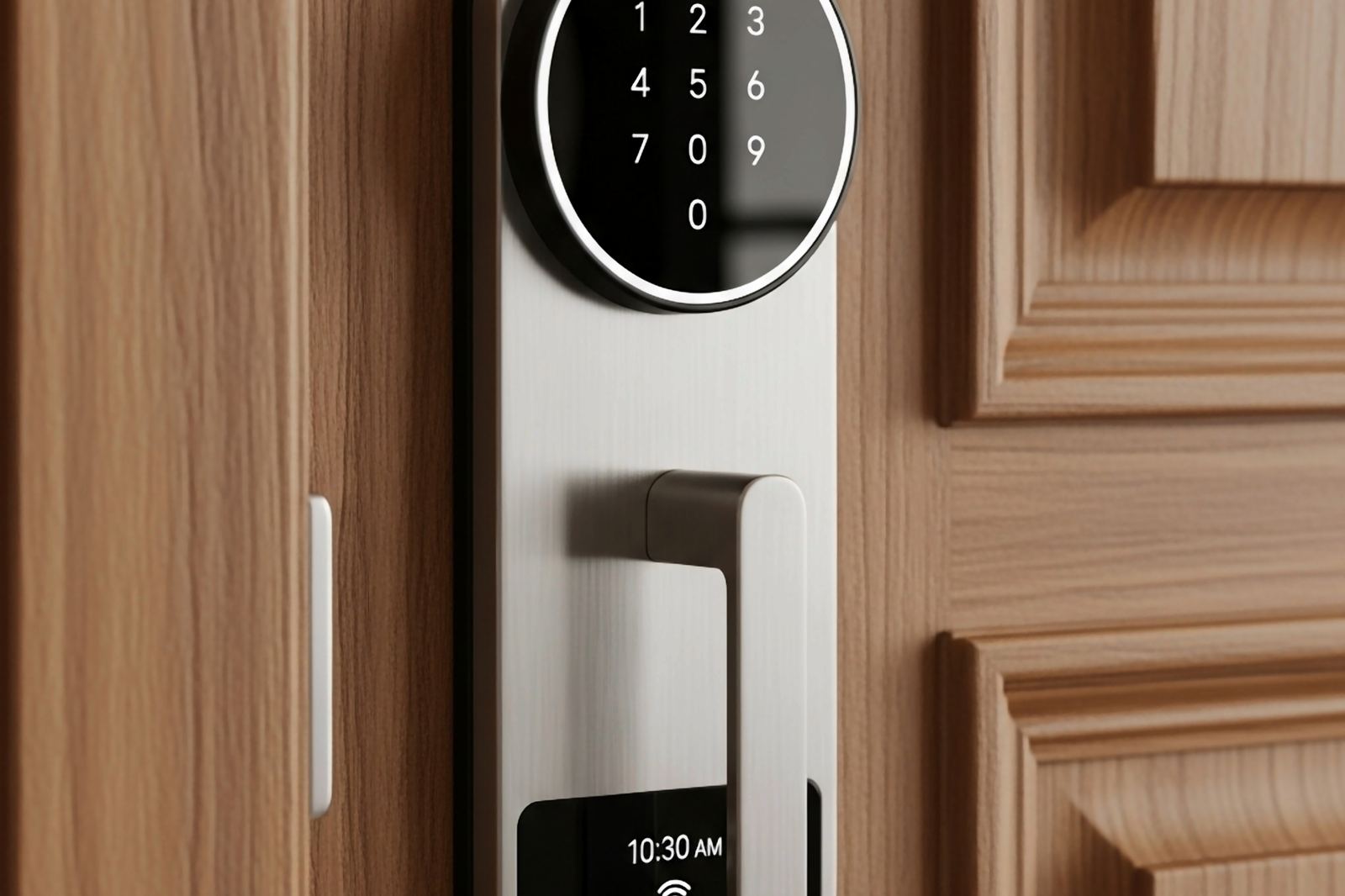
Smart locks moved the spare-key problem into software, where it is less visible and easier to forget. A smart deadbolt left behind by sellers may carry dozens of stored PIN codes, theirs, their relatives', their cleaners', their short-term-rental guests' if the home was ever listed, and every code keeps working until deleted. Worse, the lock is probably still attached to the previous owner's account in the manufacturer's app, which can mean remote unlock capability, access logs flowing to someone else's phone, and the ability to add new codes from anywhere. Treat an inherited smart lock the way IT departments treat an inherited laptop: wipe it. Perform the manufacturer's factory reset, which clears stored codes and severs the old account pairing, then create your own account, register the lock, and add only your codes. Ask the sellers to remove the device from their app as well, since some platforms require the old owner's release. Check for connected ecosystems too: video doorbells, alarm panels, and hub-based systems each have their own account transfer or reset process. And remember that most smart deadbolts still contain an ordinary keyway underneath the electronics. That mechanical cylinder needs rekeying like any other, because a physical key the sellers kept ignores your software housekeeping entirely.
Should you rekey or replace the locks?
Rekeying and replacing solve different problems, and knowing which you have saves real money. Rekeying keeps your existing hardware: a locksmith removes each cylinder, swaps the internal pins to match a newly cut key, and every old key stops working. It is quick, and the per-cylinder cost is a fraction of new hardware, which makes it the default answer when the existing locks are decent quality and in good condition. It also lets you key all your doors alike, one key for the whole house, which is a genuine daily-life upgrade. Replacement is the right call in a few specific situations: the hardware is worn, sticking, or corroded; the locks are ungraded builder-basic units on exterior doors and you want certified hardware, look for an ANSI/BHMA grade on the packaging; you want to change function or style, adding a deadbolt where only a knob lock exists, or moving to a smart lock; or the lock shows damage suggesting a past forced entry. Many homeowners land on a hybrid: replace the front and garage-entry deadbolts with graded new hardware, rekey everything else to match. Whichever route you choose, do it in the first week, before the moving-chaos period when doors get propped open and keys get handed to a parade of helpers and installers.
Quick answers
How soon after closing should I rekey?
Within the first few days, ideally before the bulk of your belongings arrive. The highest-uncertainty window is right after the sale, when lockbox keys, agent copies, and seller spares are all still in circulation. Booking a locksmith for move-in day or the day after is common, and the whole house can usually be done in a single visit.
Is rekeying necessary for a brand-new house?
Yes, or at minimum verify the keying with the builder. Construction often uses contractor or master keys that operated your doors for months, and reset features that are supposed to disable them at handover do not always engage on every cylinder. A post-closing rekey, plus wiping the garage opener and any smart lock, closes the question for little cost.
Can renters rekey their locks?
Usually only with the landlord's written permission, since leases and many local laws require the landlord to retain access for emergencies and maintenance. The standard approach is to request that the landlord rekey between tenants, which some jurisdictions require, or to offer to pay for a rekey with a copy of the new key provided to management.
Who changes the lock on my mailbox?
It depends on who owns the box. A private mailbox on your house or at your curb is yours to rekey or replace like any small lock. A cluster box unit in a neighborhood or apartment complex typically belongs to the Postal Service, and USPS performs lock changes for its equipment through a request and fee at your local post office.
Keep reading
📞 Call (866) 370-8695