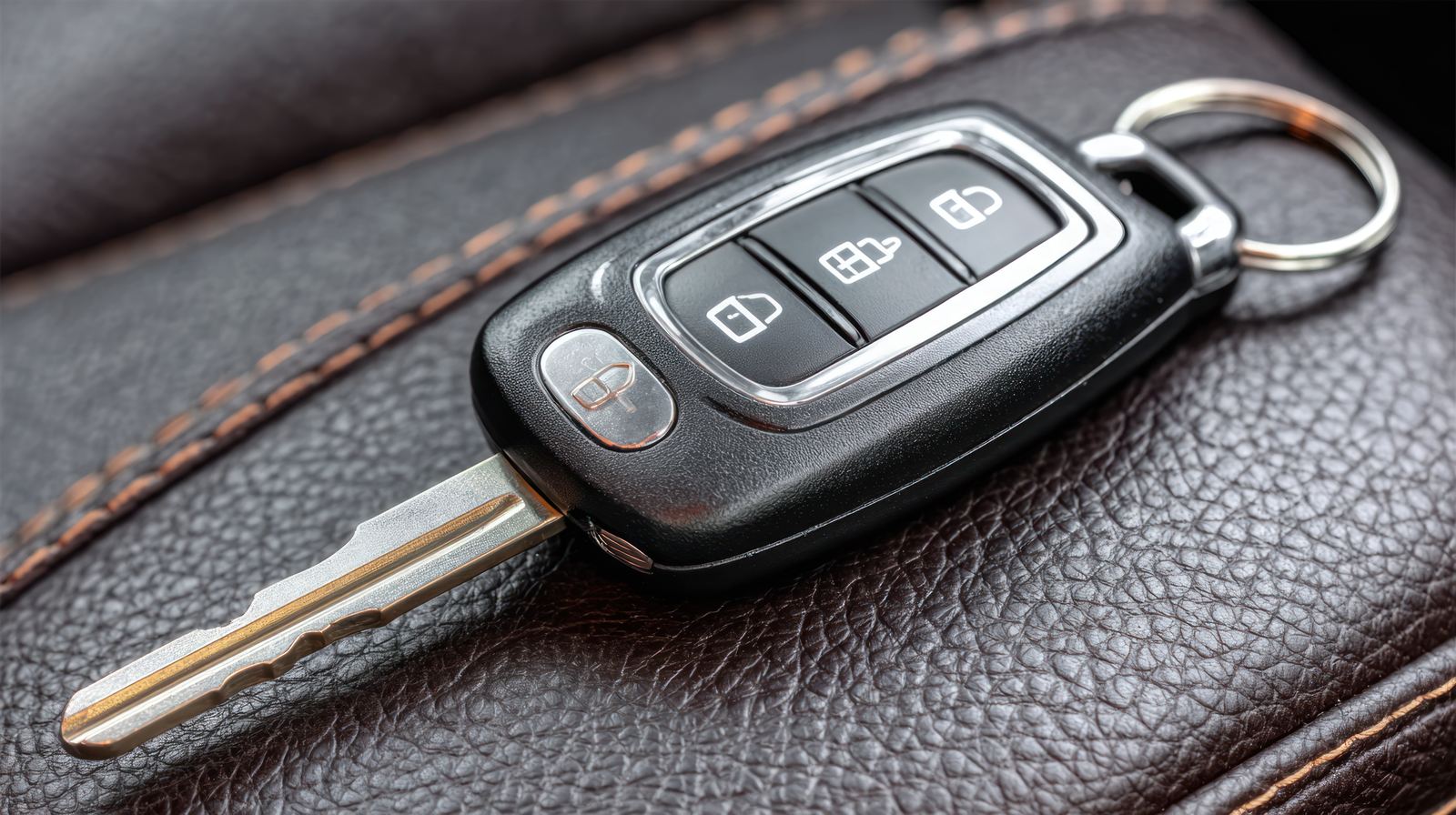
Car key replacement covers making a new key when yours is lost, broken, or worn out, including cutting the blade, programming transponder chips, and pairing remote fobs or proximity keys to your vehicle. When you call, we connect you with an independent local locksmith pro equipped for your make and model. The pro verifies ownership, confirms what your vehicle requires, and quotes you directly before any work begins. We never quote prices ourselves.
What does the pro actually do to replace a car key?
The pro first verifies ownership and identifies your exact vehicle by year, make, model, and often the VIN, because key systems differ even within one model line. If no working key exists, the pro originates a new one, determining the correct cuts for your locks and producing a blade that operates the doors and ignition. For most vehicles built since the late 1990s, that mechanical key alone will not start the engine; federal-era anti-theft trends documented by NHTSA made engine immobilizers standard, so the pro also programs a transponder chip or smart key to your vehicle's computer. If your key includes a remote fob, the pro pairs its lock, unlock, trunk, and panic functions as a separate programming step. Finally, the pro tests everything: doors, ignition or push-button start, and remote functions. Each element of this scope is quoted to you directly before work begins.
When is a locksmith the right choice versus a dealership or hardware store?
A hardware store or kiosk works for basic non-transponder keys and some simple transponder duplicates, but it cannot help when all keys are lost, because origination requires determining your vehicle's key data and programming on the car itself. Dealerships can replace nearly any key but typically require the vehicle towed to them, may need days to order parts, and handle programming on their schedule. An independent mobile locksmith pro is often the practical middle path: they come to the vehicle, originate keys from scratch, program transponders and many proximity fobs on site, and complete the work in one visit. A locksmith is especially fitting for all-keys-lost situations, ignition keys that no longer turn smoothly, and older vehicles dealers no longer stock keys for. For a small number of vehicles with tightly restricted security systems, the pro will tell you honestly if the dealer is the only route.
What is the difference between duplicating a key and originating one?
Duplication copies an existing working key: the pro reads its cuts, reproduces them on a new blank, and programs the chip if the vehicle requires it. Because the working key supplies the pattern, duplication is the faster and simpler service, and it is the smart move to make before you ever lose your only key. Origination means creating a key when no working copy exists. The pro must determine the correct cuts from the vehicle itself or through authorized key-data channels, produce the blade, and then program it to an immobilizer that currently recognizes no key in your hand. Origination takes longer, requires more specialized equipment, and often involves security procedures to prove ownership. The practical lesson is that a spare made today by duplication spares you an origination job later. If you are down to one key, treat getting a duplicate as routine maintenance rather than an optional extra.
What makes car key replacement more or less complex?
The vehicle's security architecture drives complexity more than anything else. Basic transponder keys pair through relatively direct procedures, while proximity keys, push-button-start systems, and rolling-code fobs require dedicated programming equipment and longer sessions with the vehicle's computer. Some manufacturers protect key data behind authorized security codes, adding steps and sometimes wait time. Whether any working key survives matters enormously: adding a key to a system that already recognizes one is simpler than an all-keys-lost origination, which on some vehicles involves extended immobilizer procedures. Blade style is another variable, since high-security laser-cut or sidewinder blades take different cutting equipment than standard edge-cut blades. Vehicle age cuts both ways: pre-immobilizer cars from before the late 1990s need no programming at all, while the newest vehicles may restrict programming access. Finally, worn ignitions or damaged door locks discovered during the job can add legitimate scope the pro will quote before proceeding.
What should you have ready when the pro arrives?
Gather proof of ownership first: your driver's license plus the vehicle registration or title, since programming a key to a car is exactly the kind of work a responsible pro will not do without verification. Know your year, make, and model, and locate your VIN, which appears on the dashboard near the windshield and on your registration and insurance documents. If any key, fob, or valet key survives, have it present, because it can convert an origination job into a simpler duplication. Mention when you call whether your vehicle uses a traditional key, a flip key, or push-button start with a proximity fob, and whether you want remote functions included. Make sure the vehicle is accessible, ideally parked where the pro can work at the driver's door and dashboard. If the car is leased or company-owned, arrange authorization from the leaseholder or fleet manager in advance.
What mistakes do people commonly make with car keys?
The most common mistake is waiting until the last key is gone. A duplicate made while a working key exists is a routine job; an all-keys-lost origination is a bigger one, and people who postpone the spare pay for that difference at the worst possible moment. Another frequent error is buying a bargain fob or key shell online and assuming any locksmith can make it work; aftermarket electronics vary in quality, some cannot be programmed to your vehicle at all, and a pro may reasonably decline to warranty parts they did not supply. Drivers also confuse a dead fob battery with a lost-key emergency, replacing hardware when a battery swap would have solved it. Ignoring a key that has started sticking or turning hard is another miss, since worn keys stress the ignition itself. Finally, some people accept phone quotes from unverified operators; a legitimate pro confirms the price with you on site before any work begins.