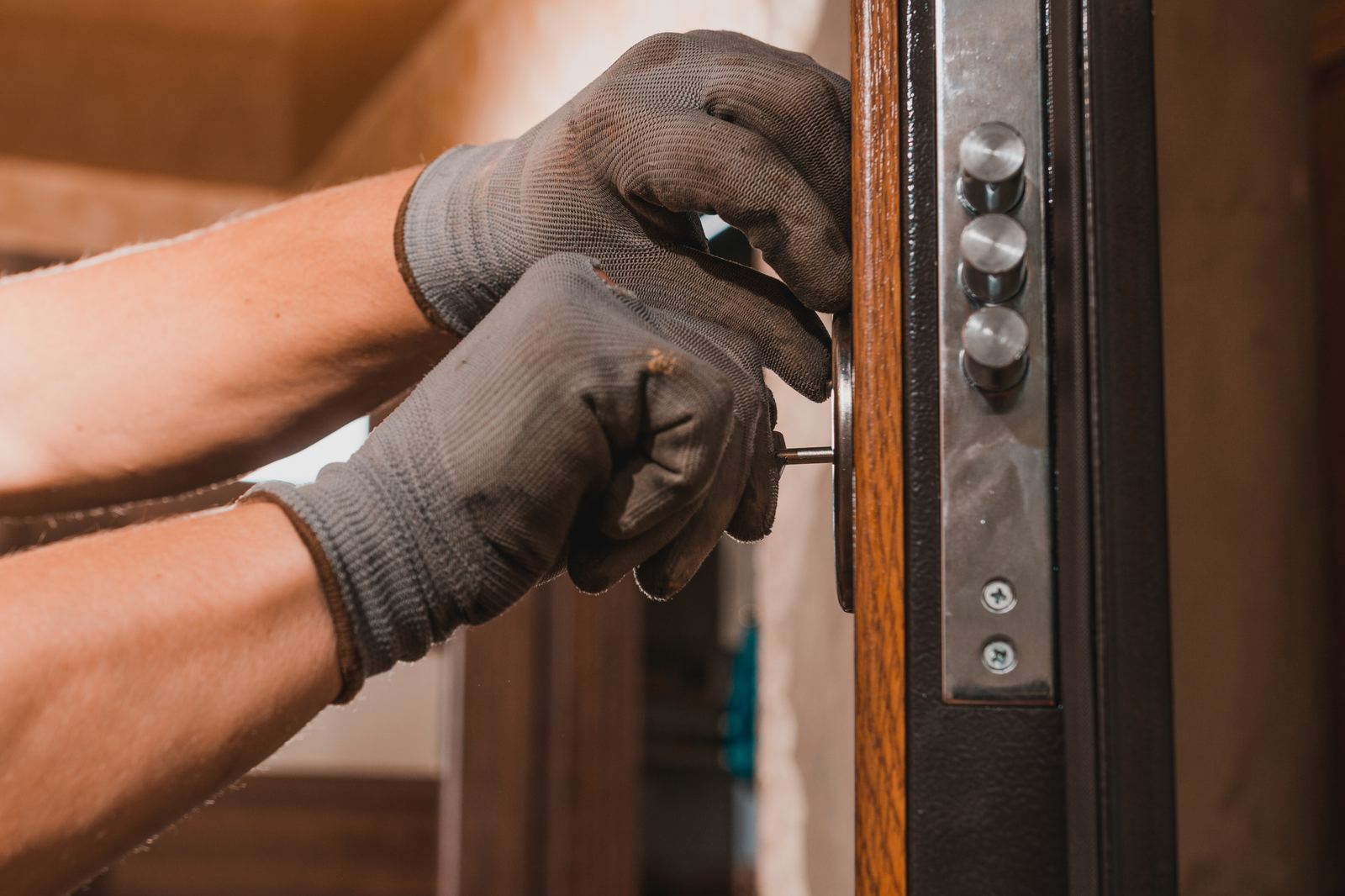
Before you spend a dime, work through the free checks: walk the whole house for a door or window you forgot to lock, call anyone else with a key, and contact your landlord, building super, or property manager if you rent. If none of that works, a residential locksmith can usually open the door without damage. Drilling the lock is a last resort, not a starting point.
Try these free routes first
Walk the entire perimeter first
Most house lockouts end without a service call. Check every door you did not come out of: back door, side door, garage entry, patio slider, basement door. Then look for any window you already left unlocked or open. People routinely forget the door they used to take out the trash an hour earlier. Do a full, slow lap before you assume you are actually locked out, and only enter through something that is genuinely unlocked already.
Call everyone who holds a key
A spouse, roommate, adult child, or housemate with a key is faster than any service call, even if they are across town. Think past the household too: many people have handed a spare to a parent, a trusted neighbor, or a close friend at some point and forgotten about it. A twenty-minute wait for a keyholder costs nothing. Text the whole household group chat before you call anyone professional.
Renters: your landlord or super comes first
If you rent, your landlord, building superintendent, or property management company almost always keeps a copy of your key, and letting you in is a routine request. Many buildings have an after-hours emergency line posted in the lobby or on your lease. Some leases even require you to go through management for lock issues, so calling them first protects your deposit as well as your wallet. Save that number in your phone now if you have it handy later.
Check for building or HOA staff
Condos, HOAs, and larger apartment communities often have an on-site office, a courtesy patrol, or a maintenance team that can verify your identity and open your unit. Front-desk and concierge staff in managed buildings handle lockouts regularly. Even outside office hours, many communities contract an answering service that can dispatch someone. This path is usually free to residents and keeps the lock exactly as it was.
Will a locksmith damage my door to get me in?
In most residential lockouts, no. Opening a standard door lock non-destructively is the core skill of the trade, and a qualified residential locksmith treats damage-free entry as the default outcome. When you call, ask directly: can you open this without damaging the lock or the door? A legitimate pro will assess the lock on arrival and tell you honestly whether non-destructive entry is realistic. Be wary of anyone who declares over the phone, sight unseen, that the lock must be drilled. High-security cylinders, smart locks in a failed state, or damaged hardware can genuinely require destructive entry, but that is the exception. If drilling is proposed, you are entitled to a clear explanation of why, what it will cost you in replacement hardware, and a full quote before any work starts. The pro quotes directly before work begins; nothing should happen to your door until you have agreed.
How long will I be waiting for a locksmith?
Response time depends on where you are, the time of day, and how busy local pros are. In and around cities, arrival within roughly half an hour to an hour is common; rural addresses can take longer because the nearest available locksmith may be covering a wide area. When you call, ask three things: where is the technician actually coming from, what is the realistic arrival window, and will they call or text when en route. A dispatcher who cannot say where the tech is starting from is a warning sign, because it often means a call center routing jobs to whoever is available rather than a local business. Use the wait productively: gather ID that shows your address, locate your lease or a utility bill on your phone, and stay somewhere visible and comfortable. An honest arrival estimate you can plan around beats an optimistic one that slips.
When is drilling the lock actually necessary?
Drilling destroys the lock cylinder so it can be removed and replaced, and it is legitimate only when non-destructive options have failed or clearly will not work. Situations where it may genuinely be required include high-security cylinders designed to resist manipulation, locks that are broken internally, seized mechanisms, and some electronic locks that have failed closed. Even then, a professional should explain the reasoning, tell you what replacement hardware will be needed, and get your agreement before touching a drill. What should make you uneasy: a technician who reaches for the drill within the first minutes, who claims your ordinary hardware-store deadbolt is undrillable-proof-special, or who quoted one figure by phone and pivots to a much larger one once the lock is destroyed. The Federal Trade Commission has specifically flagged the drill-first, inflate-the-bill pattern in its consumer guidance on locksmith scams. Drilling is a last resort; treat anyone who frames it as step one accordingly.
What should I do if I rent my home?
Renters have an extra free path and an extra obligation. The free path: your landlord, super, or management company keeps keys and handles lockouts as routine business, often at no charge, so they are your first call after checking other doors. The obligation: many leases require landlord involvement in anything touching the locks. If you hire a locksmith independently and the lock is drilled or replaced, you may be on the hook for restoring it, and changing locks without notifying management can violate the lease outright. If management is unreachable and you must call a locksmith yourself, you will need to prove you live there, so have your lease, a utility bill, or mail with your name and the address ready. Keep the receipt and notify your landlord afterward, especially if any hardware changed. A quick email documenting what happened protects you at move-out.
How do I avoid locksmith scams when I'm locked out?
Lockouts are a classic pressure moment, and the FTC has published consumer guidance on exactly this scam pattern. The warning signs: an ad or search listing with no real local address, a dispatcher who answers with a generic phrase like locksmith service instead of a business name, a phone quote that sounds impossibly low, and a technician who arrives in an unmarked car with no ID or invoice paperwork. The classic move is quoting a small figure by phone, then claiming on arrival that your lock is special and the real total is many times higher, often after insisting it must be drilled. Protect yourself: get the business name and confirm it matches their listing, ask for the full price of your specific job before anyone starts, request identification and a written invoice, and remember you can decline and call someone else at any point before work begins. A legitimate pro expects these questions.
How can I make sure this never happens again?
Once you are back inside, spend ten minutes on prevention. Give a spare key to a trusted neighbor, nearby friend, or family member, someone reachable at odd hours, and tell your household who has it. If you prefer not to hand out keys, a keypad deadbolt or smart lock removes the physical key from the equation entirely; renters should get landlord approval before swapping hardware. Avoid the fake rock and doormat hiding spots, which are the first places anyone looks. Build a habit trigger: keys in hand before the door closes, every time, especially on self-locking doors. If your door locks automatically behind you, consider whether you actually want that behavior, since it is the single biggest cause of repeat lockouts. Finally, save your landlord's after-hours line and a reputable local locksmith's number in your phone now, while you are calm, instead of searching in a panic later.
When calling a locksmith is the right move
Call a locksmith once the free checks are exhausted: every other door and window is confirmed locked, no keyholder can reach you within a reasonable window, and your landlord or building staff are unreachable or do not exist because you own the home. It is also the right move immediately if you are locked out in unsafe conditions, with medication, a child's needs, or a stove inside adding urgency. When you call, describe the lock type, confirm the technician can attempt non-destructive entry first, and get a full quote before work begins. The pro quotes directly; you approve before anything happens.
📞 Call (866) 370-8695
Quick answers
Can a locksmith get into my house without breaking anything?
Usually, yes. Non-destructive entry is the standard expectation for a residential lockout, and a qualified locksmith will attempt it first. Damage-free entry is not always possible with high-security or malfunctioning hardware, but it is the norm. Ask on the phone whether the technician will attempt non-destructive entry, and treat a drill-first answer as a reason to call someone else.
Do I need to prove I live there?
Yes, and you should want that. A legitimate locksmith will ask for ID, a lease, mail, or another document connecting you to the address before opening the door, sometimes accepting verification once you are inside. A locksmith who opens any door for anyone with no questions is a security problem for the whole neighborhood, not a convenience.
Will my landlord charge me for a lockout?
Policies vary. Many landlords and supers let tenants in free during business hours as a courtesy, while some charge a fee for after-hours calls, and a few direct you to a locksmith at your own expense. Your lease usually spells it out. Even where there is a fee, going through management first keeps you compliant with the lease and protects your deposit.
Is it legal to break into my own house?
Getting into a home you legally occupy is generally lawful, but it carries real risks: broken windows and forced doors are expensive to repair, injury is common, and a neighbor who does not recognize you may call the police. If officers arrive, cooperate and show ID. In most cases, patient free checks followed by a professional entry beats forcing anything.
Should I rekey my locks after a lockout?
Only if the situation changed your security picture. If you were simply locked out and got back in, nothing about who holds keys has changed. Rekey when a key was lost rather than left inside, when a former roommate or partner still has a copy, or when a lock was drilled and replaced. A locksmith already on-site can rekey during the same visit if you decide it is warranted.
Related guides and services