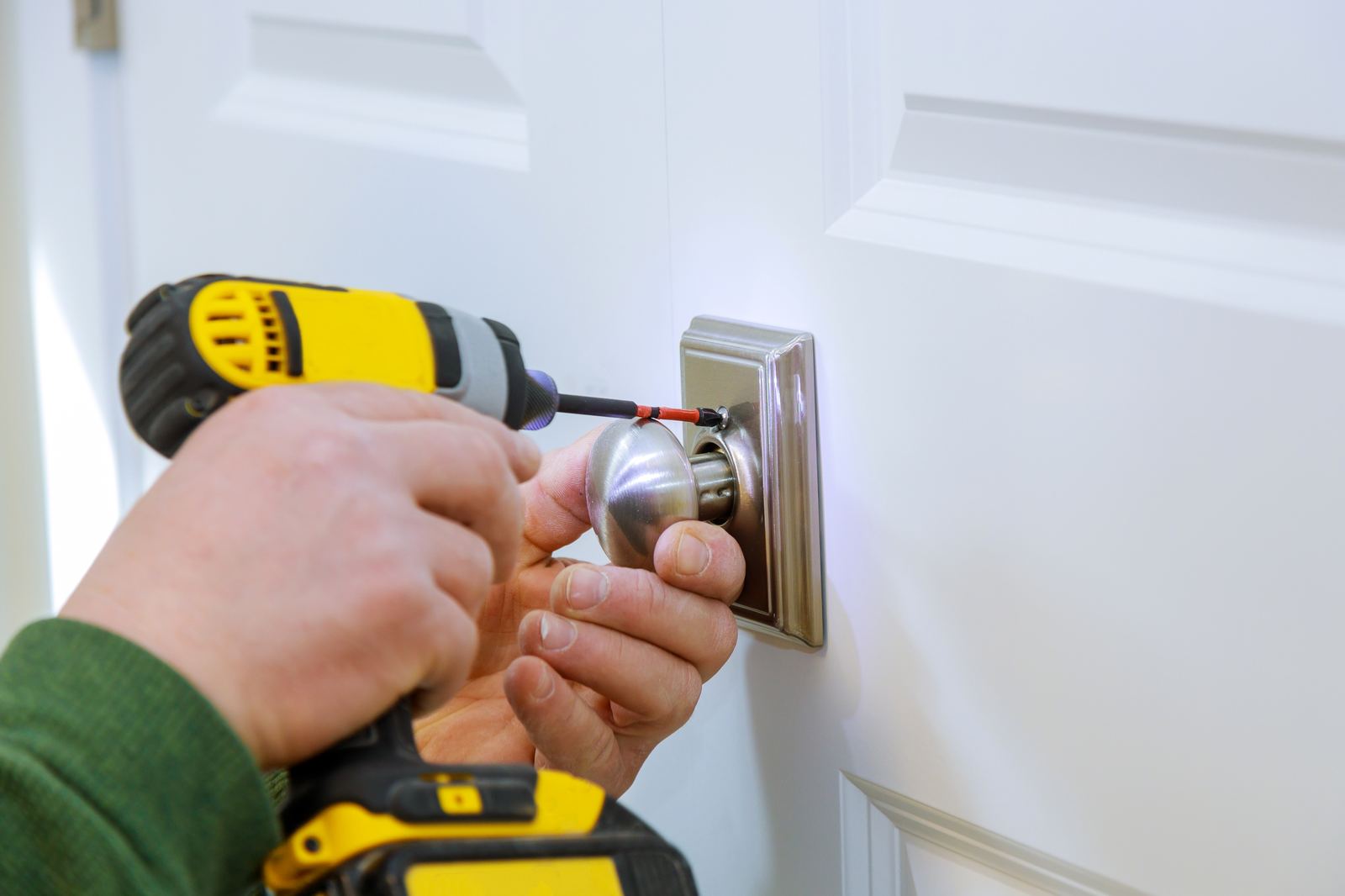
Rekeying changes the internal configuration of your existing lock so old keys stop working and a new key takes over, without replacing the hardware on your door. It is the standard move after moving in, losing keys, or parting ways with anyone who held a copy. When you call, we connect you with an independent local locksmith pro who inspects your locks and quotes you directly before any work begins. We never quote prices ourselves.
What does a locksmith actually do when rekeying a lock?
The pro removes the lock cylinder from your door hardware, disassembles it on a workbench or service vehicle, and replaces the internal components that define which key operates the lock. When reassembled, the cylinder accepts a freshly cut key and rejects every key that worked before. The pro then reinstalls the cylinder, cuts the number of new keys you request, and tests the lock through its full motion: key in, key out, latch, and deadbolt throw. A thorough pro also checks the door alignment and strike while working, since a binding deadbolt often gets blamed on the lock when the frame is the real issue. If you have several doors, the pro can typically key them all alike, so one new key operates the whole home. The visible hardware, its finish, and its feel stay exactly the same; only the key that controls it changes.
When is rekeying the right call instead of replacing the lock?
Rekey when the hardware is sound and the problem is who holds keys: you just bought or moved into a home, a roommate or partner moved out, a contractor or house sitter had a copy, or your keys were lost or stolen. Rekeying keeps good hardware in service, preserves the look of your door, and lets you consolidate multiple doors onto one key. Replace instead when the lock itself is the problem: mechanisms that stick or fail, visible damage from a break-in attempt, corrosion, discontinued hardware with no available parts, or locks rated at the low end of the ANSI/BHMA grading scale that you want to upgrade for durability. Replacement is also the path if you want different functionality entirely, such as moving to a smart lock or keypad. Many visits end up mixed: the pro rekeys the solid locks and recommends replacing only the ones that are worn out.
What affects how involved a rekeying job is?
The count and variety of locks matter most. A single-family home with matching-brand knobs and deadbolts is straightforward; a property mixing several brands and keyways takes longer because each cylinder type disassembles differently and keying them all alike may require compatible components across brands. High-security cylinders with patented keyways involve restricted parts and additional steps, and some can only be rekeyed by pros authorized for that product line. Hardware condition adds time: corroded screws, painted-over cylinders, and worn internals slow careful disassembly. Lock grade plays a role too, since Grade 1 hardware under the ANSI/BHMA standard is built more robustly than Grade 2 or Grade 3 and can differ in servicing effort. Finally, keying everything alike, adding master-key arrangements for a landlord, or cutting a large batch of new keys expands the visit, all of which the pro folds into the direct quote before starting.
What should you have ready when the pro arrives?
Be prepared to show photo ID and, if the address is not on your ID, something connecting you to the property such as a closing document, lease, or utility bill, because a responsible pro will not rekey locks for someone who cannot show a right to control them. Landlords rekeying a rental should have ownership or management documentation handy. Walk the property beforehand and count every lock you want changed, including side doors, garage entry doors, gates, and any padlocks, so the pro can quote the complete job at once. If you have any working keys, set them out; rekeying goes faster when the cylinder can be operated normally during removal. Decide how many copies of the new key you want and who should receive them. Mention any locks that stick, doors that must be lifted or pulled to lock, or keys that need jiggling, since those symptoms are worth diagnosing during the same visit.
What mistakes do people commonly make around rekeying?
The biggest one is skipping it entirely after moving into a new home. Sellers, previous tenants, agents, cleaners, and contractors may all have held copies, and no one can inventory them after the fact; rekeying on move-in day resets the count to zero. Another mistake is replacing perfectly good hardware because people do not realize rekeying exists, paying for new locks when only the keying needed to change. The reverse error happens too: rekeying a lock that is mechanically failing, which changes the key but keeps the failure. Some homeowners rekey the front door and forget the garage service door or back slider, leaving old keys live on secondary entrances. Do-it-yourself rekeying kits trip up many people on brand mismatches and reassembly, sometimes leaving a door unlockable at night. Finally, tenants sometimes rekey without checking the lease; many rental agreements require landlord notice or a copy of the new key.
How does the referral connection work when you call?
LocksmithCallNow.com is a referral service, not a locksmith company. When you call, we connect you with an independent local locksmith pro who handles residential and small-property rekeying in your area. That pro examines your actual locks, tells you which can be rekeyed, which are keyed-alike candidates, and which are worn enough that replacement is the more sensible path, and then quotes you directly before any work begins. We never quote prices, because an honest rekeying quote depends on cylinder count, brands, keyway types, hardware condition, and how many new keys you want cut, none of which can be judged sight unseen. Independent pros set their own schedules, so rekeying can often be booked as a planned appointment rather than an emergency call, and combining it with a move-in date or tenant turnover is common. Your agreement, and the work itself, is directly between you and the pro.