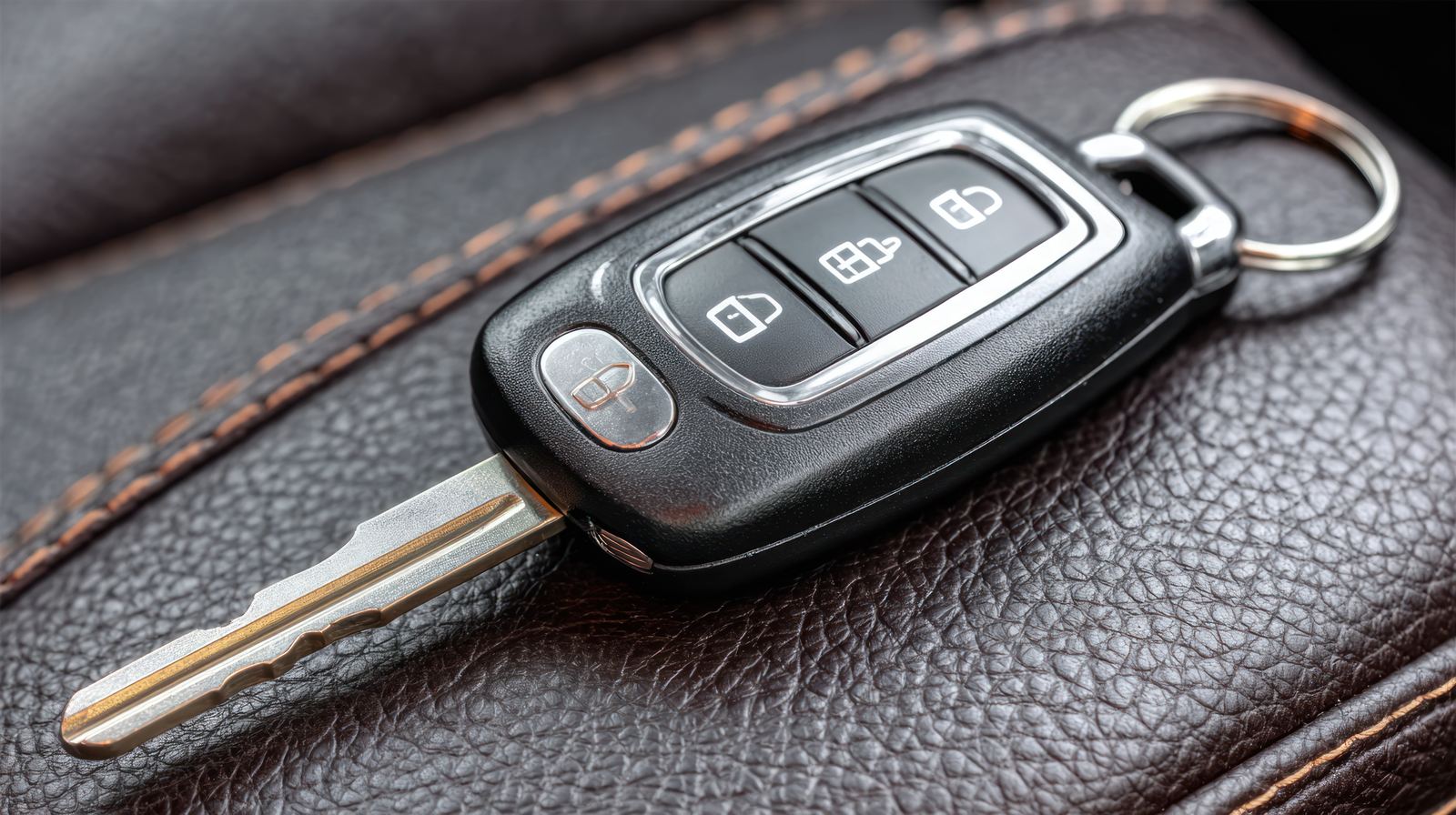
Losing every key to a car is an all-keys-lost job, and it works differently than copying a spare. You will need proof of ownership, typically registration or title plus photo ID. A mobile automotive locksmith can often cut a key from the VIN and program the immobilizer at your location, frequently the same day. Dealers can do it too, but usually require the car towed in and may quote a wait of days. Push-start cars and EVs add complexity.
Try these free routes first
Search like the keys are findable — they usually are
A large share of all-keys-lost calls end with the keys turning up, so invest an honest hour before starting an expensive process. Retrace the day in order: pockets, bags, jackets, the car's own seats and floor, couch cushions, the last three places you sat. Call every business you visited and ask for their lost and found, and check with venue security. If a fob is paired to a Bluetooth tracker, or your phone logged where it last saw the car, use that. Found keys cost nothing; replaced ones never do.
Ask the household and check old drawers
Before declaring all keys lost, confirm it. Used cars often came with a second key the seller tossed in a folder or envelope; check your glovebox paperwork, the folder from the purchase, and junk drawers. Ask everyone in the household, plus anyone who has borrowed or serviced the car recently, including the shop that did your last oil change. A single working key transforms the job: adding a key when one exists is routine and far simpler than an all-keys-lost procedure, so even a forgotten valet key changes everything.
Use the manufacturer app to get into the car
If your car has connected services, such as the manufacturer's app or a service like OnStar, and your account is active, you can typically unlock the doors remotely from your phone at no charge beyond any subscription you already carry. That will not start a car with no keys, since the immobilizer still requires a programmed key, but it gets you to the registration in the glovebox, personal items, and the VIN, all of which you need for the replacement process. Some manufacturers can also activate an account for a verified owner by phone.
Check coverage before paying anyone
Key replacement itself is usually on you, but pieces of this situation may be covered. AAA and motor club memberships include locksmith service up to tier limits and can cover towing if you choose the dealer route. Auto insurer roadside add-ons generally cover dispatch and towing, though key cutting and programming usually fall outside them. Some new cars are still within complimentary roadside assistance from the manufacturer, some owners carry key protection plans sold at purchase, and a few credit cards include roadside benefits. Ten minutes of checking can offset a real portion of this.
What proof of ownership do I need for a replacement key?
Expect to prove the car is yours before anyone cuts or programs a key, and be glad the requirement exists, since it is what stands between your parked car and anyone who wants a key to it. The standard package: government-issued photo ID plus a current registration or title in your name, with the name and vehicle matching. If the registration is locked inside the car, this is where a manufacturer app unlock or a locksmith opening the door first helps. Common wrinkles have established solutions: a car registered to a spouse or family member may require that person's authorization; a business vehicle needs documentation connecting you to the company; a freshly purchased car with paperwork in transit can often be supported with the bill of sale and title documents. Locksmiths typically record the documentation used, and dealers run similar verification. Treat any provider who offers to skip verification as a red flag, because a shop that makes keys without proof for you will do it for someone else.
Can a locksmith really make a car key without the original?
Yes, and it is worth understanding the two halves of the job, because both must succeed. First, the mechanical half: every vehicle's factory key cuts are recorded in manufacturer databases keyed to the VIN, and authorized locksmiths can obtain the key code for a verified owner and cut a precise blade on that basis, or, on many vehicles, decode the door lock itself and cut to match. Second, the electronic half, the real substance of a modern all-keys-lost job: the new key's transponder chip or fob must be enrolled with the car's immobilizer, which locksmiths do with equipment connected through the vehicle's diagnostic port. With no existing key to authenticate the session, all-keys-lost programming takes longer than adding a key to a working set, and on some models involves security waiting periods the manufacturer builds in deliberately. A well-equipped automotive locksmith handles both halves at your location for a wide range of makes and years. The honest caveat: coverage is not universal, and the newest or most locked-down models may be dealer-only, which a reputable pro tells you upfront.
Why do dealers say the car has to be towed in?
Because the dealer's process is built around the car coming to the equipment rather than the equipment coming to the car. Dealership key programming runs on factory diagnostic systems installed in the service department, and most dealers do not operate mobile programming units, so a car with no working keys, which cannot be driven, must arrive by tow. The timeline stretches for structural reasons: service departments book appointments days out, some replacement keys and fobs are ordered from the manufacturer rather than stocked, and certain brands require security codes requested through corporate channels that take time to clear. None of this makes the dealer wrong; it makes the dealer route a planned, slower, factory-parts path. It genuinely fits some situations: vehicles under warranty where owners want everything documented through the dealer, brand-new or locked-down models a locksmith cannot provision, and cases where a recall or other service is due anyway. If you go this way, your motor club membership or insurer roadside add-on will often cover the tow, so arrange it through them.
What's different about push-button start and EV keys?
The blank itself and the enrollment process both step up in complexity. A traditional key is a cut blade with a transponder chip; a proximity fob for a push-start car is a small computer that performs an encrypted exchange with the vehicle, and replacing one means sourcing the correct fob and enrolling it through a more involved security procedure. On some brands, all-keys-lost on a push-start vehicle requires resetting immobilizer-related modules, and some newer vehicles impose deliberate delays before a new key is accepted. EVs and app-centric brands push further: phone-as-key features can sometimes get a verified owner driving through the manufacturer's app and support line even with all physical keys gone, while replacement key cards and fobs may route through the manufacturer on its own timeline. Practical translation: expect a longer job, ask any locksmith whether they handle your exact year, make, and model, and for app-capable cars, call the manufacturer's support line early, because the free path may be the fastest one.
What can a mobile automotive locksmith not do?
An honest map of the limits sets expectations. Coverage gaps: some brand-new models, certain luxury brands, and the most locked-down security architectures restrict key provisioning to dealer channels, and no legitimate locksmith can enroll keys where the manufacturer has closed the door; a reputable pro tells you on the phone once you give the exact year, make, and model. Parts constraints: uncommon fobs may need ordering, turning same-day into a return visit. Deliberate delays: some manufacturers impose waiting periods on all-keys-lost procedures that nobody, dealer or locksmith, can skip. Beyond keys entirely: if the underlying problem is a failed ignition module, a dead immobilizer unit, or a deeper electrical fault, that is repair work for a shop or dealer, and a good locksmith says so rather than selling keys that will not fix it. Also outside the lane: skipping ownership verification. Those requirements protect you, and a provider willing to skip them is a warning, not a perk. Everything else in the common case, opening the car, cutting by code, and programming on-site, is what mobile pros do daily.
How long does an all-keys-lost job take?
Two clocks matter: waiting and working. With a mobile automotive locksmith, the waiting clock is often short, frequently same-day, because the pro comes to the car; the working clock, once on-site, typically runs from under an hour to a few hours depending on the vehicle, covering ownership verification, obtaining or decoding the key cuts, cutting, and immobilizer programming, with push-start systems and certain brands at the longer end and some models adding built-in security wait periods on top. The dealer clock runs differently: arranging a tow, getting on the service schedule, possibly waiting for an ordered fob or a corporate security code, then the programming itself, which is why dealer quotes are commonly measured in days rather than hours. Variables that stretch either path: weekends and holidays, rare fobs, older vehicles with scarce data, and the newest vehicles with restricted provisioning. You can compress the timeline for free by having your VIN, registration, ID, and exact vehicle details ready, and by calling with the year, make, and model so the pro can confirm capability and parts before driving out.
When calling a locksmith is the right move
Call a mobile automotive locksmith once the search is honestly exhausted, no forgotten spare exists, and any manufacturer app options are ruled out, and call sooner if the car sits somewhere unsafe or is blocking others. Have your photo ID, registration or title, VIN, and exact year, make, and model ready, and ask directly: can you do all-keys-lost on this vehicle, on-site, and what is the full quote? Choose the dealer route instead for the newest or locked-down models, warranty considerations, or when the locksmith you trust says that is where your car belongs. The pro quotes directly before work begins.
📞 Call (866) 370-8695
Quick answers
Can I get a new car key with just the VIN?
The VIN plus proof of ownership, yes. The VIN lets an authorized locksmith or dealer obtain your factory key code and cut a matching key, but the transponder or fob still has to be programmed to the car, which happens at the vehicle. No legitimate provider will make a key from a VIN without verifying ownership, and that protects you.
Do I have to tow my car to the dealer for new keys?
Not usually. A mobile automotive locksmith can perform all-keys-lost service at the car for a wide range of makes and years, cutting by VIN or lock decoding and programming on-site. Towing to a dealer becomes necessary mainly for the newest or most locked-down models, or when you prefer the factory route; motor club or insurer roadside coverage often pays for that tow.
Is losing all keys worse for a push-button start car?
Generally, yes. Proximity fobs are more complex to source and enroll than cut keys, all-keys-lost procedures on push-start systems take longer, and some brands add security delays or module resets. It is still very often solvable by a mobile locksmith at the car, but confirm your exact year, make, and model when you call, and expect a longer visit.
Will my insurance pay for replacing lost car keys?
Usually not under standard coverage: roadside add-ons generally cover getting into the car and towing, not cutting and programming keys. Exceptions exist, including key protection plans sold with the car, some new-vehicle programs, and occasional policy riders, so check before paying. If the keys were stolen rather than lost, ask your insurer specifically, since theft can change the answer.
Should I get a spare key made after this?
Yes, immediately, and ideally during the same visit. Adding a second key while one programmed key exists is a routine, quicker job, while losing a sole key repeats the entire all-keys-lost process. Store the spare somewhere genuinely retrievable, with a trusted person or at home, not in the car, and your worst-case scenario shrinks permanently.
Related guides and services