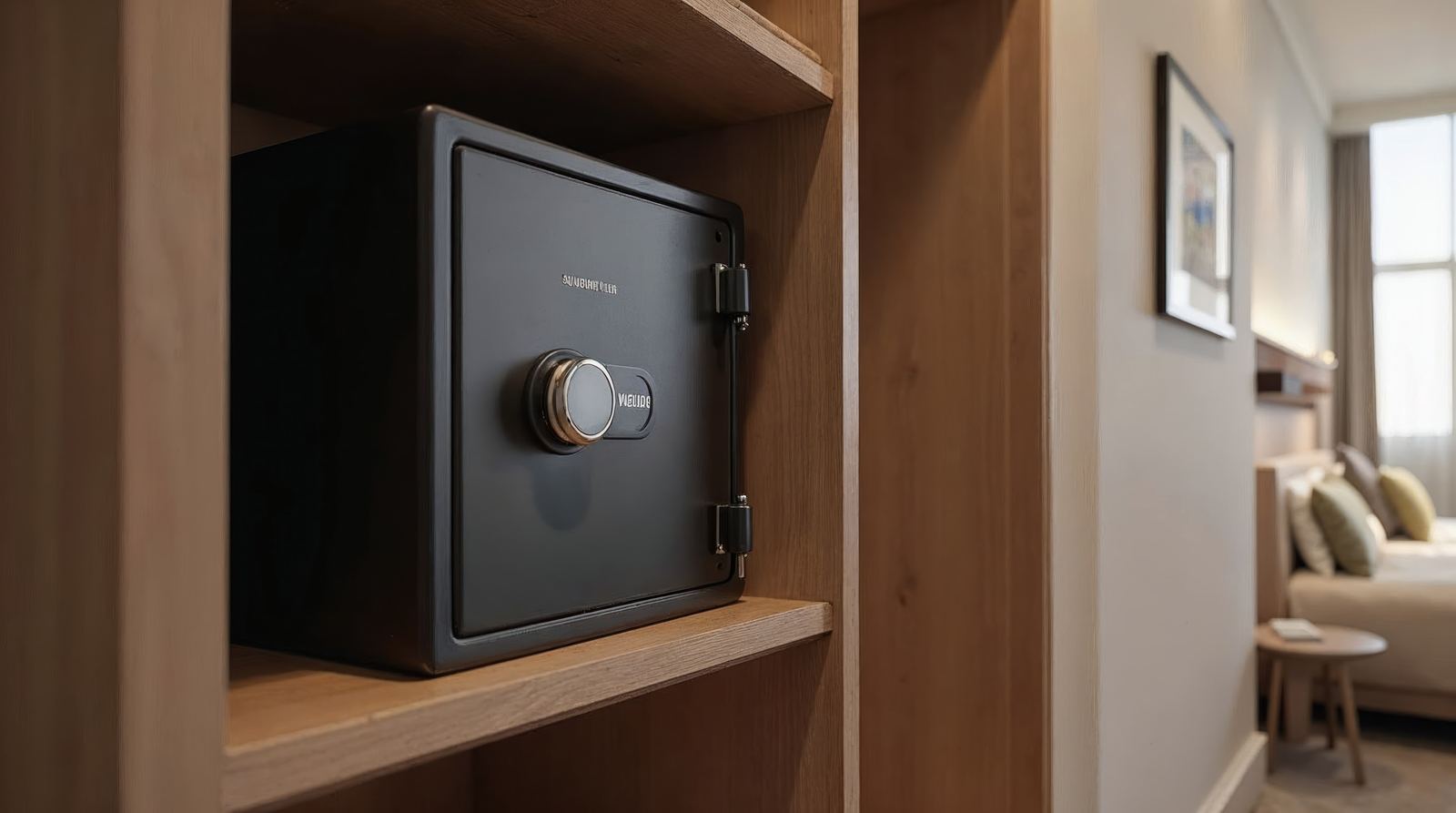
Safe opening is a professional referral service for owners locked out of their own safes, whether the combination is lost, the electronic keypad has failed, or the door will not release. When you call, we connect you with an independent local pro qualified for safe work. The pro verifies your ownership, assesses the safe, favors approaches that preserve it, and quotes you directly before any work begins. We never quote prices, and we never publish opening techniques.
What does a safe specialist actually do to open a safe?
The pro begins with verification, confirming your identity and your right to the safe's contents, because no responsible specialist opens a container without establishing ownership or legal authority. They then identify the safe: manufacturer, model, lock type, and condition, since a home fire safe, a gun safe, and a commercial money safe are entirely different jobs. Based on that assessment, the pro selects the approach that gets the safe open with the least possible harm to it, preserving the safe for continued use whenever the situation allows, and reserving more invasive measures as a last resort taken only with your informed approval. We do not describe opening methods here, and a reputable pro will not teach them either; what you are paying for is the outcome, an open safe and a working lock. After opening, the pro can repair or replace the lock, set a new combination or code, and return the safe to reliable service, quoting each step directly before performing it.
When is calling a safe specialist the right move?
Call a specialist when you own or lawfully control a safe you cannot open: a combination lost or never passed along, an inherited or estate safe with no records, an electronic keypad that no longer responds, a key safe with lost keys, or a door that stopped releasing even with correct credentials. It is also the right call when a safe still opens but behaves oddly, since intermittent faults tend to become permanent lockouts at the worst time. Before calling, exhaust the simple avenues: check for documentation from the original purchase, try fresh quality batteries in an electronic keypad since depleted batteries cause a large share of apparent failures, and contact the manufacturer, who may provide assistance to a verified owner with the serial number. What is never the right move is force. Prying, hammering, or drilling by an untrained hand rarely opens a quality safe and reliably destroys its value and sometimes its contents.
What affects the complexity of opening a safe?
Safes vary more than any other product a locksmith touches, and complexity follows the safe's own security level. Construction is the first factor: a light sheet-metal fire safe presents a different job than a heavy burglary-rated chest built specifically to resist unauthorized opening, and the protective features that make a safe good at its job are exactly what make legitimate opening slower. Lock type is the second: mechanical dial locks, electronic keypads, key locks, biometric units, and combinations of these each fail in their own ways and call for different expertise. The nature of the failure matters too, since a lost combination on a healthy lock differs from a broken internal component or a keypad with damaged wiring. Access and placement add practical difficulty when a safe is bolted down, built into a wall or floor, or located in a tight closet. Finally, whether you want the safe preserved for reuse or simply opened shapes the approach and the quote.
What should you have ready when the specialist arrives?
Ownership documentation is the centerpiece of this service. Have government photo ID plus whatever ties you to the safe: a purchase receipt, the owner's manual, warranty registration, a photo of the serial number, or documents showing you own the home where the safe is installed. For inherited and estate safes, expect to show probate or executor paperwork, and for business safes, proof of your authority within the company; a conscientious pro may decline the job if authority cannot be established, which protects every legitimate owner. Beyond paperwork, gather useful history: the safe's brand and model if known, any combination fragments or old codes written down, when it last opened, what changed, and whether anyone has already attempted to force it. Clear physical access to the safe's door and sides, provide good lighting, and empty the area of tripping hazards. If the safe holds urgent items such as medications or passports, say so when you call so the pro can prioritize accordingly.
What mistakes do people commonly make with locked safes?
The most destructive mistake is force. Prying at the door, hammering the handle, or drilling blindly almost never opens a real safe and routinely bends bolt work, triggers built-in relocking features designed to respond to attack, and converts a routine professional opening into a long salvage job; some safes become permanently harder to open after amateur attempts. Repeated wrong entries on electronic keypads trip lockout delays, so stepping away is smarter than hammering guesses. People also discard the paperwork years before the lockout, leaving no serial number, receipt, or manual to support manufacturer assistance and ownership verification. Batteries are the humble miss: many keypad emergencies end with fresh quality batteries installed correctly. Others wait out warning signs, a dial that drags or a keypad that needs several tries, until the safe fails shut with valuables inside. Finally, hiring whoever answers first without confirming safe experience specifically is a gamble; safe work is a specialty within the locksmith trade, not an add-on.
How does the referral connection work for safe opening?
LocksmithCallNow.com is a referral service only. We connect you with an independent local pro who handles safe work, and everything after the connection happens directly between you and that specialist: verification of your ownership, on-site assessment, the recommended approach, and a direct quote before any work begins. We never quote prices, because safe opening scope depends on construction, lock type, failure mode, and whether the safe is to be preserved, none of which can be judged over the phone. Two things we deliberately do not do: we do not publish or discuss opening techniques, in this article or anywhere else, and we do not connect callers who cannot represent lawful authority over the safe. Expect the pro to uphold the same line. After opening, the same specialist can typically restore the safe to service with a repaired or replaced lock and fresh combinations or codes, so the end state is not just an open door but a safe you can trust again.