One free call connects New York callers with independent local locksmith pros. Licensing facts, vetting steps, and every city we cover.
📞 Call (866) 370-8695Locksmith Call Now is a free referral service — we are not a locksmith. The independent local pro you're connected with quotes you directly before any work begins.

Where you stand in New York decides how you vet a locksmith. There is no statewide locksmith license, but inside the five boroughs, New York City requires a Locksmith License from the Department of Consumer and Worker Protection for anyone who fixes, services, installs, checks, opens, or closes locks, with a separate Apprentice License for trainees. You can verify an NYC license at the DCWP's online search or by calling 311. Outside the city, verification shifts to the New York Department of State's business entity search plus insurance and identity checks. The housing tells its own story: pre-war walk-ups in the boroughs, century-old two-families in Buffalo and Rochester, and farmhouses upstate all keep old hardware in daily service. The climate is just as varied, from lake-effect snow country to a salt-air coastline on Long Island. LocksmithCallNow.com is a referral service; we connect your call to an independent local locksmith pro and do not perform locksmith work ourselves.
Only 12 of the 40 states we cover license locksmiths at the state level. New York's posture changes how you vet a pro — the decoded panel below gives you the exact steps.
New York's approach to locksmith licensing shapes how you verify a pro: New York has no statewide locksmith license. New York has no statewide locksmith license. Outside New York City, consumers can confirm a locksmith business is registered with the New York Department of State using the business entity search at apps.dos.ny.gov. Within New York City, use the DCWP license search (see local notes). New York City requires a Locksmith License (and a Locksmith Apprentice License for trainees) issued by the NYC Department of Consumer and Worker Protection (DCWP) for anyone who fixes, services, installs, checks, opens, or closes locks in the city. Consumers can verify NYC licenses at https://a866-dcwpbp.nyc.gov/search or by calling 311. That one check filters out nearly every bait operation before your door is involved.
| Check | How |
|---|---|
| Step 1 | Determine whether the job is inside New York City; locksmiths working in the five boroughs must hold a NYC Department of Consumer and Worker Protection (DCWP) Locksmith License. |
| Step 2 | For NYC jobs, search the business or individual name in the DCWP license lookup at https://a866-dcwpbp.nyc.gov/search to confirm an active Locksmith License. |
| Step 3 | Outside NYC, confirm the business is registered with the New York Department of State and ask for photo identification and a written estimate before work begins. |
Why this matters: in the vertical Google itself took to federal court over fake listings, the credential check is the one filter a bait operation can't fake. Sixty seconds with the official lookup beats an hour of review-reading — and a legitimate pro will never bristle at being checked.
New York's housing stock carries serious age: pre-war apartment buildings and brownstones across the five boroughs, century-old two-family homes in Buffalo, Rochester, and Albany, and farmhouses upstate that predate any hardware standard. Old buildings keep old locks, mortise cases with decades of wear, cylinders re-pinned through generations of tenants, and doors whose strikes drifted as the structure settled. Two consequences follow. Sticking keys and stubborn deadbolts are usually worn or misaligned hardware, fixable with a service visit rather than a full replacement. And the count of unknown key copies grows with every past occupant, super, and contractor. A referred locksmith can rekey sound hardware, tune what is misaligned, and where replacement is genuinely needed, recommend ANSI/BHMA-graded deadbolts suited to the door and building rules.
New York is a renter's state to a degree few others approach, with New York City's households majority-renter and strong rental markets in every upstate city. For renters the essentials are: ask whether the unit was rekeyed after the last tenant, and get the answer in writing. In a lockout, the building super, management office, or landlord is usually the free call to make before anyone else. If you want a lock changed, check your lease and get written permission first, and keep the landlord supplied with a current key where the lease requires it. In NYC, remember any locksmith you hire must hold a DCWP license.
Our buyer network covers 875 zip codes across 439 New York communities — about 14,306,253 residents.
Coverage math for New York: 875 zips, 439 communities, income near $98,271, median build year 1956, renter share 51.0%. The build year is the one to watch — older cylinders fail in cold months and after decades of key wear.
New York winters run from lake-effect burial in Buffalo and Syracuse to icy freeze-thaw cycling downstate. Wet keyways freeze, car locks ice over, and frames shift enough to bind deadbolts. In the city, heated lobbies hide the problem until the street door fails. Lubricate exterior cylinders before deep cold and never force a frozen key.
Thaw season exposes winter's damage: strikes knocked out of line by frost heave upstate, swollen sills settling back unevenly, hinges worked loose by months of expansion and contraction. Spring is also the front edge of moving season statewide, so booking rekeys early, especially around city lease cycles, beats competing for appointments in the crunch.
Humid summers swell wooden doors from Brooklyn brownstones to Adirondack camps, making latches drag and deadbolts fight back. On Long Island and the city's coastal edges, salt air corrodes exposed hardware year-round. Summer is peak lease turnover in New York City, the busiest rekey season of the year, so schedule ahead rather than same-day.
Fall is the tune-up window across New York: test every exterior lock, lubricate cylinders with a lock-appropriate product, and fix anything sticking before the first freeze makes it worse. Upstate camp owners closing for the season should verify locks and leave a key with someone local. City building managers do well to service street-door hardware now.
Start with the call: (866) 370-8695, staffed around the clock. Tell us the situation — locked out, keys lost, lock failing — and your part of Brooklyn. We connect you with an independent professional whose route covers you. Scope and price come from that pro, stated to you first. No membership, no fee from us, no obligation attached to picking up the phone.
Before anyone drives anywhere: check every door and ground-floor window you'd forgotten, including the one from the garage. Call whoever else holds a key — roommate, partner, neighbor with the spare. Renters in Brooklyn: your landlord, super, or property manager often solves lockouts free. Car lockout? AAA and many insurers' roadside add-ons cover lockout labor at no extra cost, and many 2015-and-newer cars unlock from the manufacturer's phone app. Two minutes on these can save the whole call.
FBI Crime Data Explorer estimates put New York's burglary rate at 136.6 per 100,000 residents (2024), ranking it #41 of 51 in our State Lock-Risk Study — which combines burglary rates with housing age and renter share from Census data. The full methodology and every state's numbers are published openly. See the full study.
Independent New York pros, quoted before work begins.
Apartment buildings define the Bronx side of this region — prewar walkups and mid-century towers with mortise locks, deadbolts layered over decades, and building-entry hardware that takes a daily beating. The median build year here is 1961. Northward, Yonkers and New Rochelle mix apartments with older single-family stock, while Scarsdale brings high-security cylinder and smart-lock requests on substantial old doors. Rekeys between tenants, lockouts, and mailbox locks are constant work throughout. Winters freeze exterior hardware and swell frames every year without fail. The independent locksmiths we connect callers with move between a sixth-floor walkup and a suburban colonial in the same afternoon, and carry parts for both.
Commuter towns fill this stretch of the lower Hudson Valley, from Peekskill to Katonah and Mohegan Lake, where housing dates to the early 1970s and older and hardware often shows its decades. Locksmiths here work on everything from village apartments to hillside homes with original locksets and doors that swell each humid summer. About three in four households own, so rekeys after closings and worn-lock replacements lead the work, with rental turnover adding steady calls in Peekskill and Harriman. Winters bring frozen car locks and brittle keys down every side road. Independent pros across these towns handle house lockouts, rekeying, lock repair, and car key work.
Brooklyn is renter country — roughly seven in ten households — and its buildings date to a median of 1961, with brownstones and walkups far older. That combination defines the work: apartment lockouts, mortise lock repairs, landlord rekeys between tenants, mailbox locks, and the endless negotiation between old doors and new hardware. Ridgewood shares the same rhythm just over the Queens line. Out at Rockaway Park and Breezy Point, salt air joins the fight, corroding exterior cylinders on beach-block homes. Street parking means car lockouts happen blocks from home, in every season. The locksmiths we refer are independent locals who know these building types; we make the introduction only.
Queens hardware is its own education. Around Flushing, Elmhurst, and Jackson Heights, the median building dates to the late 1950s — co-ops, brick rowhouses, and apartment houses where mortise locks, multiple deadbolts per door, and strict building rules about who may change what are everyday realities. Rekeys, lockouts, and mailbox locks anchor the work, and tight-parking life keeps car lockouts common too. Out toward Bayside, single-family homes bring high-security cylinder upgrades and smart locks fitted to older doors. The independent pros we refer callers to here handle old brass, new electronics, and the narrow staircases in between, usually several times before lunch.
Postwar and prewar housing meet around Jamaica, where the median home dates to 1957, spanning the rowhouses of Queens Village and the tract streets of Valley Stream. Locks that age have been rekeyed, layered, and painted around for generations, and getting them working right is skilled work. Ownership runs high, with only one in six households renting, though Hempstead adds steady rental turnover. Street parking and long commutes keep car lockouts and lost-fob calls constant. Independent pros in these neighborhoods handle house lockouts, rekeys, mailbox locks, hardware upgrades, and automotive key programming for a housing stock that has seen almost seventy years of keys.
In this stretch of Queens and Manhattan — Astoria, Sunnyside, Woodside, Long Island City, Maspeth — nearly eight in ten households rent, and the median building dates to 1951. Prewar doors, mortise locks, deadbolts stacked above deadbolts, and superintendent key systems are the daily landscape. Lease turnover, roommate changes, and apartment lockouts keep rekeying constant, and old hardware means the fix is rarely a simple swap. Mailbox locks, gate locks on shared entries, and buzzer-door repairs fill out the list. Even here, car lockouts happen — street parking guarantees it. We connect callers to independent local locksmiths who work these buildings every day; they handle the job and the terms.
Rochester winters are famous for a reason, and locks feel it first — frozen cylinders, iced car doors, and frames that bind from December through March across the city and out to Webster. Housing centers on the late 1970s, older in Rochester proper and newer in Victor, so pros see everything from worn original hardware to fresh keypads. Roughly one in five households rents, keeping unit rekeys steady, but this is mostly homeowner territory: move-in rekeys, deadbolt upgrades, and garage-entry doors in Pittsford and the suburbs around it. Car key programming rounds out the season, because a dead fob in a snowbank is nobody's favorite afternoon.
Lake-effect snow makes Syracuse winters famous, and locks feel it: frozen car doors, iced keyways, and deadbolts stiff with cold keep local locksmiths busy from December through March. Housing across Syracuse and Liverpool dates to 1970 and earlier, so worn original hardware is the norm rather than the exception. Suburbs like Cicero and Camillus mix in newer builds where builder-grade locksets are reaching replacement age. More than four in five households own, so the steady work is homeowner lockouts, post-sale rekeys, and cylinder swaps. Independent pros throughout the area also handle broken-key extraction and car key programming in every season.
Around Saratoga Springs, Ballston Spa, and Amsterdam, the housing stock centers on the mid-1970s and stretches back to nineteenth-century village homes with original mortise locks and doors that have settled with the seasons. Winters here are long and genuinely cold: frozen cylinders, car doors iced shut, and padlocks on barns and camps in Galway or Stillwater seized until spring are all routine. About one in five households rents, concentrated in the larger towns, so lease rekeys mix with a heavy base of homeowner calls — move-in rekeys, stubborn old hardware, storm-door locks. The pros we refer are independent locals who drive these back roads in every season.
Every one of these smaller New York communities is inside the buyer coverage map — no page needed, the call routes the same way:
Near a state line? The same call line covers New Jersey, Connecticut, Pennsylvania — routing follows the pro's real coverage, not the border.
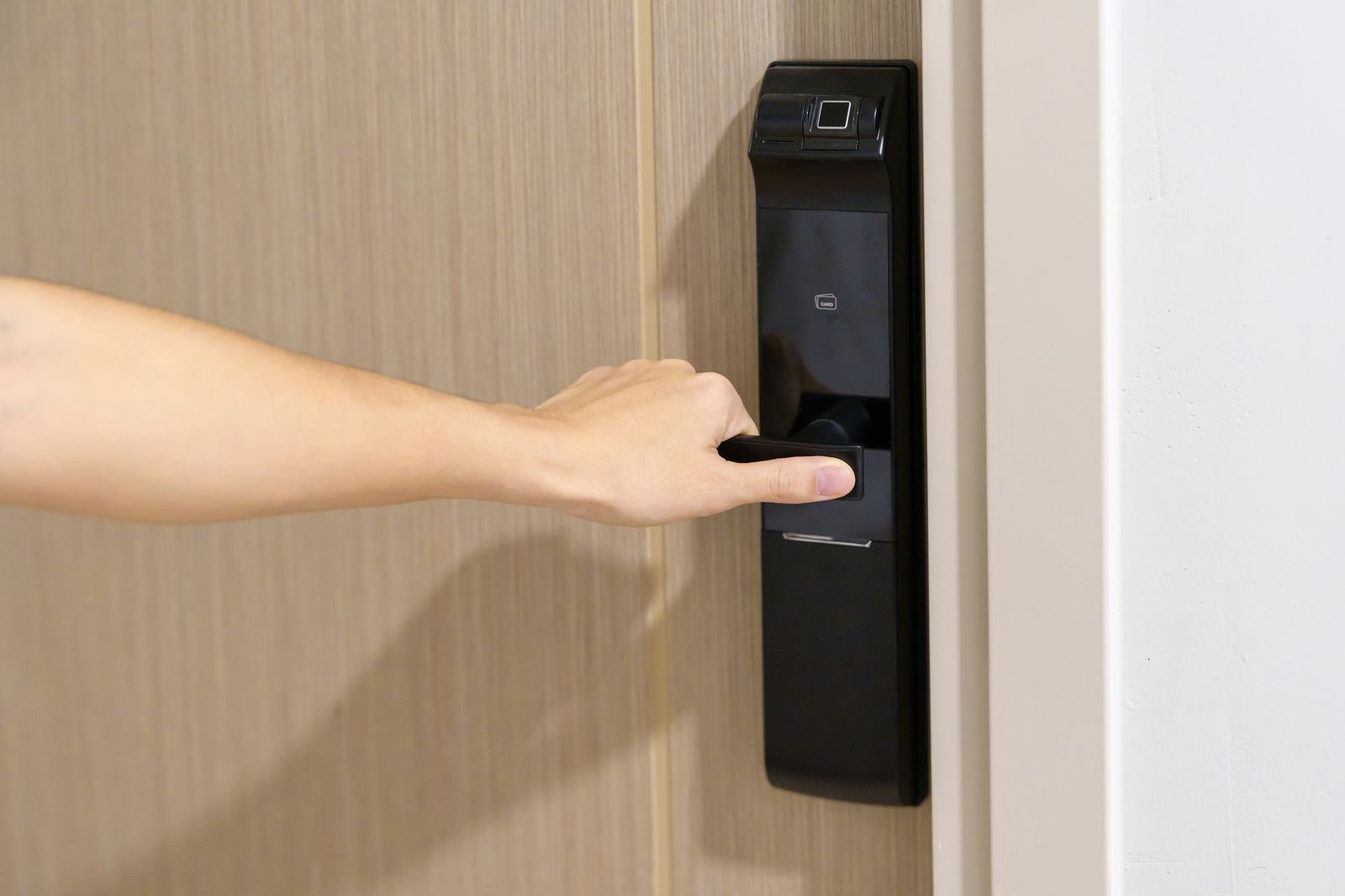
Inside the five boroughs, locksmiths must hold a NYC DCWP Locksmith License; verify it at a866-dcwpbp.nyc.gov/search or by calling 311. Outside the city there is no locksmith license, so confirm the legal business name in the New York Department of State entity search at apps.dos.ny.gov, and ask for photo ID and a written estimate.
Yes. In housing this old, prior tenants, owners, supers, and contractors may all hold working copies of your key. Rekeying changes the pins in the existing lock so old keys stop working. Renters should get landlord permission first per the lease; homeowners can usually have every door rekeyed to one key in a single visit.
Yes, in region-specific ways. Upstate, lake-effect snow and hard freezes ice up keyways and heave frames out of alignment. Downstate and on Long Island, freeze-thaw cycling and salt air corrode and bind exterior hardware. Lubricating exterior cylinders each fall and fixing sticky locks before winter prevents most cold-weather failures.
Usually not. First try free options: roadside coverage through your insurer, a manufacturer app that unlocks the car, or your spare. If you need a replacement, we can refer an independent automotive locksmith who can open the vehicle and cut and program most transponder and fob keys on-site, often faster than a dealership appointment.
We are a referral service, not a locksmith. Your call is connected to an independent local locksmith pro serving your area, whether that is the five boroughs, Long Island, or upstate. The locksmith sets their own pricing and does the work; for NYC jobs, verify their DCWP license and always get a written estimate first.
The FTC-described pattern thrives in dense markets: a bait-price ad, no verifiable business name, an unmarked car, then an inflated on-site demand tied to a claim that your lock must be drilled. Drilling is a last resort. In NYC, an unlicensed 'locksmith' is breaking city rules before they even touch your door, so check the DCWP search first.
ID that matches the address (or vehicle registration), a photo of the lock if you can get one, and the written or stated quote from the phone call. Legitimate pros verify you have the right to enter — that check protects you.
No — and we say so on every page. Locksmith Call Now is a referral service. The work is performed by independent local locksmith professionals, and the professional quotes you directly before any work begins.
You tell us what's locked and where; we connect you with an independent local locksmith professional serving Brooklyn. The pro scopes the job with you, states their quote, and only then decides dispatch with you. No obligation attaches to the call itself.