One free call connects Ohio callers with independent local locksmith pros. Licensing facts, vetting steps, and every city we cover.
📞 Call (866) 370-8695Locksmith Call Now is a free referral service — we are not a locksmith. The independent local pro you're connected with quotes you directly before any work begins.

Half a century is a long time for a lockset, and the median home in the Ohio areas we cover dates to about 1970 — so original hardware, settled frames, and painted-over strike plates are everyday Ohio lock work. The state does not license locksmiths, but the trade is not unregulated either: Ohio's Repairs and Services rule, enforced by the Attorney General's Consumer Protection Section, governs how service companies quote and bill, and the Ohio Small Business Development Centers' locksmith checklist notes that working on motor vehicle locks requires a vendor's license through the Department of Taxation. Verification runs through the Secretary of State's Business Search plus insurance and ID checks. A third of households rent, keeping turnover rekeys steady from Cleveland to Cincinnati, and real winters add a frozen-lock season on top. LocksmithCallNow.com is a referral service — we connect you with an independent local pro who quotes and does the work.
Only 12 of the 40 states we cover license locksmiths at the state level. Ohio's posture changes how you vet a pro — the decoded panel below gives you the exact steps.
The Ohio rulebook on locksmith licensing, in one paragraph: Ohio has no statewide locksmith license. Ohio does not issue a state locksmith license. The Ohio Small Business Development Centers' locksmith checklist notes locksmiths must follow the state's Repairs and Services rule (enforced by the Ohio Attorney General) and that working on motor vehicle locks requires a vendor's license through the Department of Taxation. Consumers can confirm a locksmith business is registered using the Ohio Secretary of State Business Search (businesssearch.ohiosos.gov). Print or screenshot what you find; the honest pro's details will match at the door.
| Check | How |
|---|---|
| Step 1 | Ask for the business's full legal name and Ohio address, then look it up in the Ohio Secretary of State Business Search at businesssearch.ohiosos.gov. |
| Step 2 | Request the locksmith's photo identification on arrival and confirm it matches the company you contacted; ask whether the company carries liability insurance. |
| Step 3 | For service disputes, file a complaint with the Ohio Attorney General's Consumer Protection Section, which enforces Ohio's Repairs and Services rule. |
Why this matters: in the vertical Google itself took to federal court over fake listings, the credential check is the one filter a bait operation can't fake. Sixty seconds with the official lookup beats an hour of review-reading — and a legitimate pro will never bristle at being checked.
With a weighted median build year of about 1970, the Ohio areas we cover hold some of the oldest housing stock on our map — and a great deal of hardware that has outlived its designers' expectations. Pre-war houses in Cleveland, Columbus, and Cincinnati often carry mortise locks and skeleton-key-era conversions that big-box replacements do not drop into neatly, while postwar suburbs run on fifty-year-old cylinders with worn pins and tired springs. Decades of freeze-thaw settling also pull strike plates out of alignment, so what feels like a broken lock is frequently a shifted frame. Under the ANSI/BHMA rating system — Grade 3 residential up to heavy-duty Grade 1 — most of this old hardware went ungraded; an independent pro can rekey what is sound and fit rated replacements where it is not.
About a third of households in the Ohio areas we serve rent, spread across big-city apartment stock, college-town housing, and single-family rentals. That turnover keeps rekeying at the center of local lock work. Renters should start with the covered option: landlords and property managers commonly handle lock changes between tenants, and most leases require their permission before a tenant alters locks. When you move in, ask in writing whether the unit was rekeyed after the previous tenant — a routine question any professional manager can answer. If you pay for authorized lock work yourself, keep the itemized receipt.
Our buyer network covers 557 zip codes across 305 Ohio communities — about 7,245,353 residents.
Ohio by the data: coverage spans 557 zips in 305 communities; typical income sits near $76,338; the median home dates to 1971; renters hold 34.5% of households. Each number nudges what callers need — age pushes hardware work, turnover pushes rekeys.
Ohio winters are the busy season: hard freezes stiffen deadbolts, moisture inside car door locks freezes solid, and brittle keys snap in cold cylinders. Lake-effect snow bands off Lake Erie make the northeast corner especially rough on hardware. Freeze-thaw cycles also shift door frames enough to misalign latches midwinter.
The spring thaw lets frames settle back, and doors that bound all winter suddenly work — or newly misalign. Severe-weather season brings wind-racked doors after storms. Spring is also the start of moving season, so move-in rekeys pick up across the metros, along with post-winter replacement of hardware that failed in the cold.
Humid Ohio summers swell wooden doors on the state's older housing stock until latches bind, a complaint often misdiagnosed as lock failure. Vacation lockouts rise, and hot dashboards shorten the life of car fobs. It is a sensible season to fix door alignment and worn cylinders before they harden up in the fall.
Fall is prevention season in Ohio: lubricate exterior locks, adjust strike plates, and replace marginal hardware before the first hard freeze turns sticking into seizing. Student rental turnover around Columbus, Athens, and other college towns drives an August-September rekey wave, and property managers batch lock work ahead of winter.
One call does the routing that map listings pretend to do. (866) 370-8695 reaches us any hour; we connect Columbus callers with an independent locksmith professional who actually serves the area. The pro handles scoping and quoting directly with you, before dispatch is settled. If a free route — a building manager, a roadside plan — would solve it, an honest pro says so on the phone.
Skip the panic spend. First: the forgotten entrances — side door, garage interior, an unlatched ground-floor window you can reach safely. Second: spare-key holders. Third, for Columbus renters: building management, often free and fast. Fourth, for vehicles: roadside coverage through AAA or your insurer, and remote-unlock apps on most late-model cars. Only after that does a paid visit make sense — and by then it's the right one.
FBI Crime Data Explorer estimates put Ohio's burglary rate at 206.0 per 100,000 residents (2024), ranking it #23 of 51 in our State Lock-Risk Study — which combines burglary rates with housing age and renter share from Census data. The full methodology and every state's numbers are published openly. See the full study.
Independent Ohio pros, quoted before work begins.
Older industrial-era housing defines much of Akron, Canton, and Youngstown, where the regional median sits at 1971 and plenty of streets run decades older. Doors here carry generations of hardware: mortise locks, retrofit deadbolts, storm doors with their own latches, all aging together. Newer suburban stock rounds out the mix and brings more smart-lock requests. One in five households rents, and Kent's college turnover keeps rekeying steady on top of that. Northeast Ohio winters add the seasonal round of frozen car locks and snapped keys. The independent locksmiths serving this region handle house lockouts, rekeying, lock repair, and car key programming across the board.
Cleveland's housing runs old and sturdy — a regional median build year of 1974, with Lakewood and Euclid holding stock decades older, including two-family homes whose doors carry generations of hardware. Lake-effect winters are the seasonal test: frozen locks, ice-sealed car doors, and swollen frames from Painesville to Lorain every year. The suburbs tell a different story — Strongsville, Brunswick, and North Ridgeville lean owner-occupied and newer, where move-in rekeys and smart-lock upgrades lead. Fewer than one in five households rents regionwide, but city turnover keeps landlord rekeys steady. House lockouts and car key programming round it out. Every locksmith we refer here is local and independent.
Columbus balances an older city core against fast-growing suburbs like Dublin, with the regional housing median in the mid-1980s. About a quarter of households rent — plenty of unit rekeys and lockouts in Columbus proper — while Westerville and Grove City run more heavily owner-occupied, where the work is move-in rekeys, deadbolt upgrades, and keypad installs. Ohio winters deliver a few genuine freezes each season, enough to stick locks and swell frames without dominating the calendar. Driving is the default across this metro, so car lockouts and transponder key programming stay steady week after week. The independent pros we refer callers to cover the city and its whole ring of suburbs.
Dayton-area housing runs to the late 1960s and earlier, and the surrounding towns tell a similar story: Springfield and Xenia hold older stock where original cylinders and settled door frames are everyday locksmith work. Newer suburbs like Springboro lean toward builder-grade hardware from more recent decades, now reaching upgrade age. Just under a quarter of households rents, so lease-turnover rekeys share the schedule with homeowner calls. Ohio winters contribute frozen car locks and stiff deadbolts every year without fail. Independent pros across the region handle house lockouts, rekeying, broken-key extraction, and car key replacement for domestic and import vehicles alike.
Toledo and its close suburbs — Maumee, Sylvania, Perrysburg — carry housing centered on 1974, which means a great deal of original hardware still on duty and increasingly ready to fail: worn keyways, sagging strikes, deadbolts that need a shoulder behind them. Winters off Lake Erie freeze car locks and swell wooden doors from Oregon to Rossford, making cold-morning lockouts a regional tradition. Ownership dominates at over four in five households, so the typical call is a homeowner rekeying after a purchase or retiring forty-year-old locks, with lease turnovers concentrated in the city. Car key cutting and fob programming fill the rest. Our referrals are independent Toledo-area pros.
Every one of these smaller Ohio communities is inside the buyer coverage map — no page needed, the call routes the same way:
Near a state line? The same call line covers Michigan, Indiana, Kentucky — routing follows the pro's real coverage, not the border.
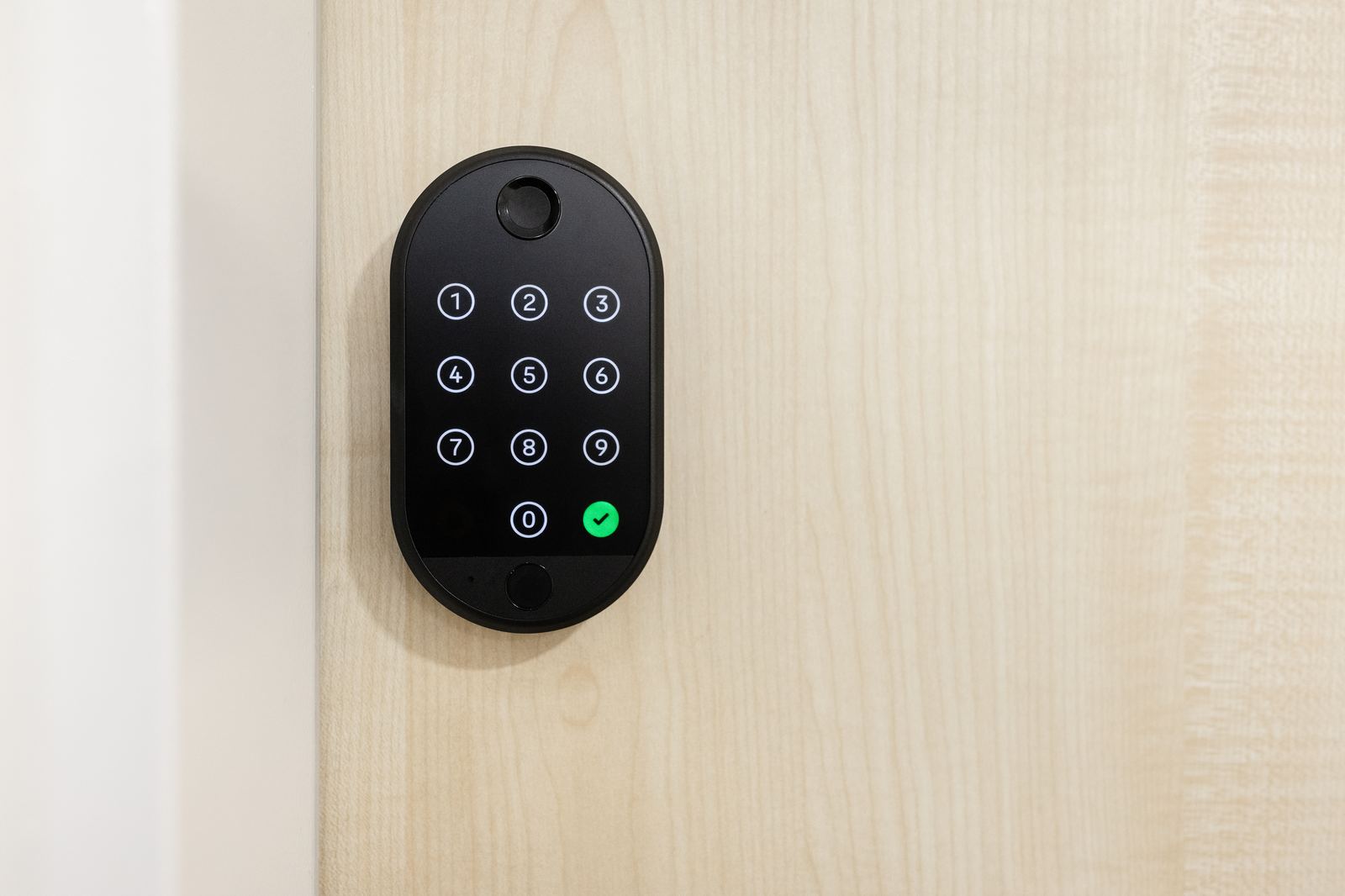
Verify the company: look up its legal name in the Ohio Secretary of State Business Search at businesssearch.ohiosos.gov, confirm a physical address, ask about insurance, and check the technician's photo ID on arrival. Ohio adds one lever most states lack — the Attorney General enforces the Repairs and Services rule, so clear pricing before work is not just good practice but backed by state consumer rules.
Yes — rekeying on possession day is the standard move. Old keys held by previous owners, contractors, and neighbors all stop working, and your existing hardware stays in place if it is sound. On Ohio's older housing, the same visit is a good time to check strike-plate alignment and door settling, which cause many of the 'lock problems' in fifty-year-old homes.
Cold is hard on marginal hardware: moisture inside a cylinder freezes, grease stiffens, and worn keys turn brittle enough to snap. Freeze-thaw cycles also shift door frames so latches bind. A fall lubrication with a lock-appropriate product and a strike-plate adjustment prevent most of it — and beat discovering the problem during a January lockout.
Most independent automotive locksmiths cut and program transponder keys and fobs for common makes, often coming to you. In Ohio, vehicle-lock work also involves a vendor's license through the Department of Taxation, per the Ohio SBDC checklist. Before paying anyone, check whether roadside assistance, your insurer, or a new-car warranty already covers lockouts or key replacement.
We are a referral service, not a locksmith. Call with your ZIP code and the problem — lockout, rekey, car key — and we connect you with an independent local pro who serves your area. The pro quotes the full price and performs the work directly. We recommend confirming that total before dispatch, consistent with Ohio's own consumer-protection rules on repairs and services.
The bait-price switch: a rock-bottom advertised rate that multiplies once the technician arrives, usually justified by claiming your lock is 'high security' and must be drilled. Federal Trade Commission guidance says to confirm the company's legal name and total price up front. Routine residential lockouts rarely require drilling — and Ohio's Repairs and Services rule gives you standing to insist on the quoted price.
Only as a last resort. Trained locksmiths open most residential and vehicle locks non-destructively. If drilling is the first suggestion rather than the final option, decline and make another call — that pattern is the classic bait-and-switch tell.
In licensing states, check the state lookup — it takes a minute. Everywhere, look for a marked vehicle, photo ID, willingness to state the quote before work, and a physical business you can find. Our verification guide walks through it step by step.
Rekey first, in most cases. If the hardware is sound, rekeying gives you fresh key control without new locks. Replace when hardware is worn, damaged, or you want a higher ANSI/BHMA grade. The pro can tell you at the door which applies.