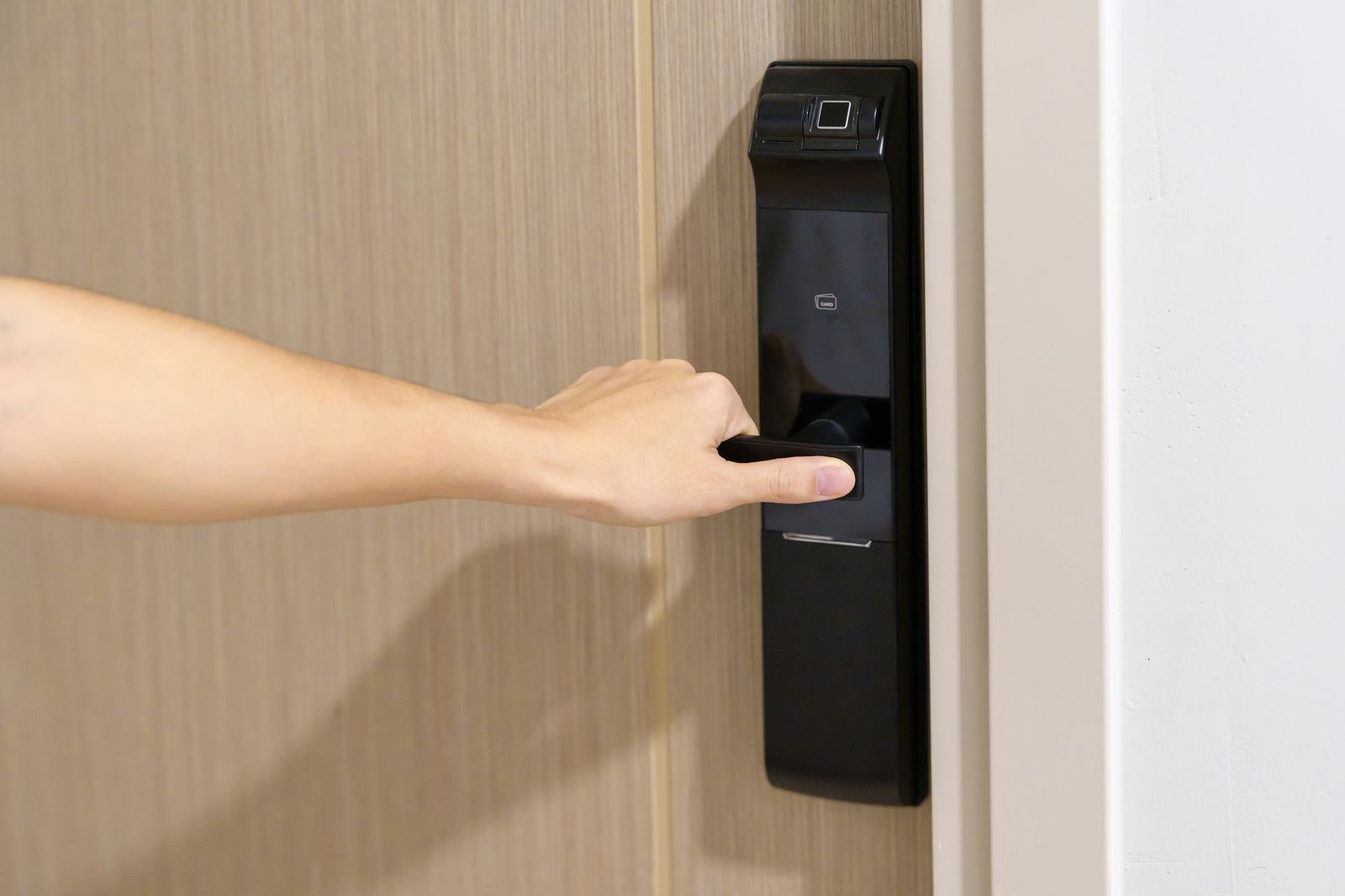
Rekey when the hardware is healthy and the problem is who holds keys — after moving in, a roommate leaving, or a lost key. Replace when the hardware itself is the problem: worn or damaged locks, a security upgrade to a higher ANSI/BHMA grade, a switch to smart locks, or mixed brands you want keyed alike. Rekeying keeps your locks and changes the key; replacing swaps the whole unit. Many homes need a mix of both.
Try these free routes first
Run the two-question test first
Question one: is the physical lock in good condition — turns smoothly, bolt extends fully, no wobble, no corrosion? Question two: is your actual problem stray keys rather than the hardware? Two yeses means rekey and stop there. A no on the first question means replace at least that door. A no on the second — you want a keypad, a sturdier deadbolt, or matching hardware — means replacement is doing a job rekeying cannot. This sixty-second test settles most cases before you spend anything.
Reset codes and audit smart-lock users at no cost
If any door has a keypad or smart lock, part of your key-control problem is digital and free to fix tonight. Delete codes you cannot attribute to a current household member, remove departed users from the app, and change the master or programming code that installers and previous owners often leave at a default. For a departing roommate or tenant who only ever used a code, a full code reset may genuinely be the entire job — no locksmith, no hardware, nothing to buy.
Count your cylinders and check the brands
Walk every exterior door — including garage-to-house, side, back, and any detached structures — and note the brand stamped on each cylinder face. Same brand throughout usually means everything can be rekeyed to one key in a single visit. Mixed brands mean some doors may need a cylinder swap to achieve keyed-alike, which shifts those doors into the replace column. This free ten-minute audit is exactly what a locksmith would do on arrival, and doing it yourself makes every phone quote you get more accurate.
Check warranty, insurance, and landlord coverage
Before paying for anything, check whether someone else already owes you the work. After a break-in, homeowner and renter policies sometimes cover lock replacement as part of the claim — ask your adjuster directly. Some home warranties and buyer packages include a rekey credit. Renters generally should not pay at all: lock changes between tenants and after security incidents are typically the landlord's responsibility, requested in writing through the property manager. Five minutes of checking can move the entire cost off your plate.
What's the actual difference between rekeying and replacing?
Rekeying keeps every visible part of your lock — handle, deadbolt, faceplate, finish — and changes only the pin arrangement inside the cylinder so that a new key operates it and every old key stops working. It is quick per cylinder, generates almost no waste, and leaves your doors looking untouched. Replacing removes the entire lockset and installs a new one, which is more work and more cost but is the only path to things rekeying cannot deliver: a sturdier grade of hardware, a keypad or smart lock, a new style or finish, or a functioning lock where the old one is worn out. The two are not competitors so much as answers to different questions. Rekeying answers who can open this door. Replacement answers what kind of lock this door should have. Decide which question you are actually asking, and the choice usually makes itself.
When is rekeying clearly the right call?
Rekey when key control is the whole problem and the hardware is sound. The classic triggers: you just bought or moved into a home and unknown copies exist; a roommate, tenant, ex-partner, or employee with a key has left; a key was lost or stolen but the locks themselves are fine; or you want one key to run every door and your cylinders share a brand. Rekeying also shines for landlords between tenants — same hardware, fresh key, done in minutes per door. One more underrated use: key control after trades. If a contractor, cleaner, or house sitter held a key for a project that is now over, rekeying is the definitive way to retire that copy, since asking for a key back tells you nothing about copies made. If every door passes the condition test — smooth turn, full bolt throw, no wobble — rekeying delivers everything replacement would, at a fraction of the cost and time.
When does replacement make more sense?
Replace when the hardware itself has a problem or a ceiling. Worn locks — sticky cylinders, sagging handles, bolts that need a hip-check to throw, visible rust — should be replaced, because rekeying a dying lock buys you a freshly keyed dying lock. Replace after a break-in if the door or lock shows any damage, even cosmetic, since internal components may be compromised in ways that show up later. Replace to upgrade: moving from a light-duty Grade 3 lockset to a Grade 2 or Grade 1 deadbolt, adding a deadbolt to a door that only has a keyed knob, or switching to a keypad or smart lock. Replace to consolidate: mixed brands that cannot share a keyway get swapped so the whole house keys alike. And replace builder-grade hardware on a new home if you want better than the minimum the builder priced in. In each case the money buys capability rekeying simply does not have.
What do ANSI/BHMA lock grades actually mean?
ANSI/BHMA grades are independent durability and strength ratings for door hardware, established by the American National Standards Institute and the Builders Hardware Manufacturers Association. Grade 1 is the most demanding tier — the most operating cycles, the highest strength requirements — and historically served commercial buildings, though residential Grade 1 deadbolts are widely available. Grade 2 is the solid middle tier and a sensible target for most home entry doors. Grade 3 is the light-duty tier that satisfies basic residential requirements and is what much builder-grade hardware carries. The grade appears on the packaging and often in the product listing. Two honest caveats: a high-grade deadbolt in a weak door frame is only as strong as the frame, so reinforcing the strike plate with long screws into the stud matters as much as the grade; and grades measure the hardware under standardized tests, not any promise about outcomes. Use grade as a comparison tool between products, not as the whole security plan.
What should I do after a break-in or attempted break-in?
First, report and document — police report, photos of every mark on doors, frames, and locks — because your insurer and your locksmith both need that record. Then have the affected doors assessed rather than assuming. A lock that was attacked can look fine and still be internally damaged, so replacement is the default for any lock on a breached or attacked door. This is also the natural moment to upgrade: a higher-grade deadbolt, a reinforced strike plate with long screws into the framing, and repairs to any splintered jamb, because break-ins commonly defeat the frame rather than the lock. Rekey the rest of the house at the same visit if there is any chance a key was taken — check whether spare keys are missing before deciding. Ask your insurance adjuster whether lock replacement is covered under the claim before you pay out of pocket; it frequently is, and the paperwork is easier if you ask first.
What about roommate turnover, tenants, and rentals?
For a departing roommate on good terms who returns their key, remember that returned keys prove nothing about copies, so rekeying the affected doors is the only definitive reset — it is quick, and splitting a small rekey among housemates is painless. If the departure was hostile or a key was not returned, rekey promptly and change every keypad code the same day. For rental property, the responsibilities flip: tenants should request lock changes through the landlord in writing rather than swapping hardware themselves, since unilateral lock changes can violate the lease. Landlords should treat rekeying between tenants as standard turnover practice — some states and cities require it or require prompt rekeying when a tenant requests it after certain events, so check your local rules. Landlords with several units should ask a locksmith about key systems designed for turnover, where cylinders can be stepped to a new key quickly; it turns each turnover rekey into a minutes-long task.
How does switching to a smart lock change the decision?
A smart-lock migration is by definition a replacement, but it does not have to be replacement everywhere. The pattern that fits most homes: put the smart lock on the one door the household actually uses daily, and rekey the remaining conventional doors to a single new key that becomes the backup. Decide up front whether you want a smart lock with a physical backup keyway — most major models keep one, some key-free designs do not — because that choice determines what happens the night the batteries die. If you keep keyed cylinders alongside the smart lock, a locksmith can often key them to match the smart lock's backup key, so one physical key still runs the house. Budget attention for the digital side too: user setup, code hygiene, auto-lock settings, and deleting the installer's programming access. And keep the old deadbolt in a drawer; if you ever move out of a rental or sell, swapping back takes minutes.
When calling a locksmith is the right move
Call a locksmith when the audit is done and the job exceeds a screwdriver: multiple cylinders to rekey to one key, mixed brands to consolidate, a grade upgrade with strike-plate reinforcement, or any lock that sticks, spins, or shows damage. Call promptly — same week, not someday — after a break-in, a hostile departure, or a lost key that was labeled with your address. Describe the full scope on the phone: door count, brands, keyed-alike request, any smart lock involved. A legitimate shop can price a scheduled job like this in writing before arrival, and the pro confirms the total before work begins.
📞 Call (866) 370-8695
Quick answers
Is rekeying more affordable than replacing?
Almost always, per door — you pay for the labor of repinning a cylinder rather than for new hardware plus installation. That is why rekeying is the default for key-control problems on healthy locks. The exception is bulk hardware-store lockset swaps you install yourself, which can land close on a single door but do not give you keyed-alike across brands or any upgrade in grade.
Can I rekey locks myself?
Sometimes. Kwikset SmartKey cylinders rekey in under a minute with the included tool, a working current key, and a new key — genuinely DIY-friendly. Traditional cylinders require disassembly and pinning, which is doable but fiddly, and a mistake can disable the lock. If your house mixes brands or you want everything on one key, a professional visit is the practical answer.
Do I have to replace locks after losing my keys?
No — rekeying is specifically designed for this. The lost key stops working the moment the cylinder is repinned, and your hardware stays. Replace only if the lock was already worn or you want an upgrade anyway. If the lost keys were attached to anything identifying your address, treat the rekey as urgent rather than eventual.
What lock grade should a front door have?
A Grade 2 or Grade 1 deadbolt under the ANSI/BHMA rating system is a reasonable target for a home entry door; Grade 3 is the light-duty tier common in builder-grade hardware. Pair the deadbolt with a reinforced strike plate anchored by long screws into the framing — the frame, not the lock, is what commonly fails.
Can a locksmith make all my doors work on one key?
Usually yes, in one visit, if the cylinders share a brand or compatible keyway — that is a standard keyed-alike rekey. Mixed brands may need a cylinder or two swapped to get there, which the locksmith can identify and quote up front. Mention keyed-alike when you book so the pro brings the right parts.
Related guides and services