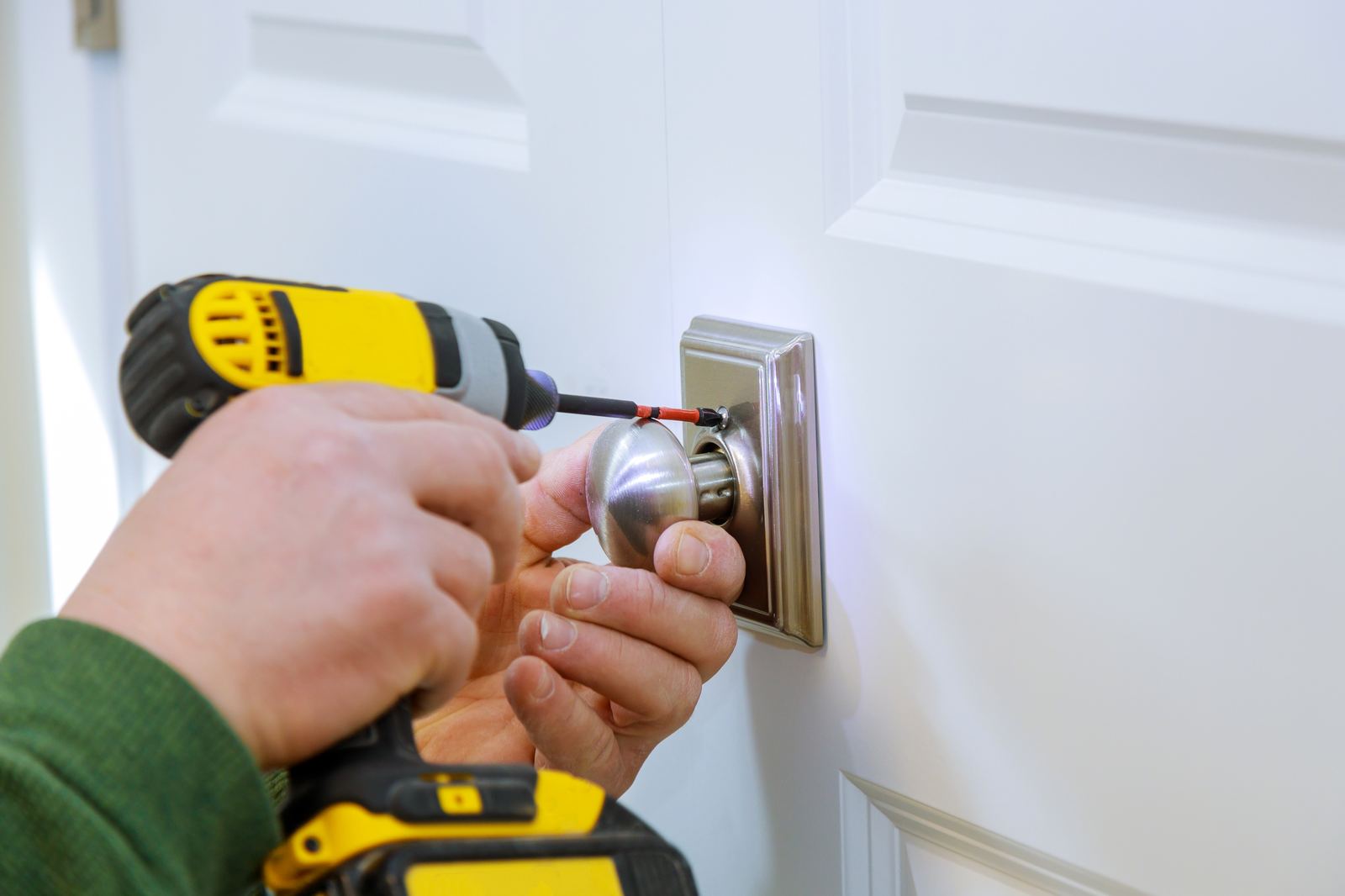
You can decline. Until work begins, you owe nothing for refusing a price you never agreed to, whatever trip fee is now being claimed. Ask for the full written total before any tool touches your lock, and treat the line this lock is special and must be drilled as the classic escalation script — professionals drill as a last resort. If you feel pressured, end the encounter from a safe distance and call another provider.
Try these free routes first
Say the decline sentence — it costs nothing and it works
The words are simple: the price has changed from what I was quoted, so I am declining service — please leave the property. Say it before work begins and you owe nothing; a demand for payment for showing up, when no trip fee was disclosed and agreed to up front, is part of the pressure script rather than an obligation. Deliver it calmly, once, without negotiating the new number — negotiating signals the price is elastic, which is exactly what the escalation model is testing for.
Require the total in writing before any work
Before anything touches your door, ask for the complete out-the-door total — labor, parts, service call, surcharges — written on paper or sent by text. This is the FTC's core guidance from its locksmith consumer advice, published since 2008: get the estimate before work begins. A legitimate professional does this as routine and the written figure holds. Someone who will not put the total in writing before starting has told you the total is designed to move; that refusal is itself your answer, free of charge.
Phone a second provider while the first one waits
You are allowed to make a call with the technician standing there. Step a few feet away, call another verified shop, describe the job, and get their written range. Two minutes of comparison destroys the scarcity pressure the doorstep script depends on — the entire model assumes you believe this person is your only option tonight. Often the second quote is dramatically lower than the escalated one, which both confirms the scam and gives you the confidence to decline the first without a flicker of doubt.
Document from the first moment the price moves
The instant the number changes, start capturing: keep the text or screenshot of the original quote, photograph the vehicle and plate, note the technician's name and the business name he gives, and if your state permits recording your own conversations, record the exchange. Documentation costs nothing now and is worth everything later — for the card dispute, the FTC and attorney general complaints, and the review that warns the next person. It also changes the dynamic at the door: escalation scripts are written for people who are not taking notes.
Can I actually refuse to pay if no work has been done?
Yes. A price quoted to induce your call and then raised at the door is not a contract you are bound to; you are free to decline the new terms before work begins, and refusing costs you nothing but the awkwardness. The common counter-move is the trip fee — you owe me for coming out. A service-call fee is legitimate only when it was disclosed and you agreed to it before dispatch; invented at the doorstep, it is a pressure tactic, and consumer protection agencies treat undisclosed mandatory fees as a deceptive practice. If a genuine, disclosed trip fee exists, paying that disclosed amount and declining the inflated work is a clean exit. What you should not do is let anyone start work while you feel unresolved about the price — the entire escalation model is built on the fact that a half-drilled lock removes your ability to walk away. Your leverage is total before the first tool touches the door and nearly zero after.
What is the 'special lock, must drill it' script?
It is the standard second act of the bait-price model. The technician glances at an ordinary residential lock, declares it special, high-security, or impossible to open normally, and announces it must be drilled and replaced — which converts a modest opening job into drilling labor plus new hardware plus installation, and conveniently destroys the lock so no one can check the claim afterward. Here is the reality it inverts: trained locksmiths open the great majority of residential locks non-destructively, and drilling is the profession's last resort, reserved for genuinely failed, damaged, or unusually fortified hardware — and even then a real pro demonstrates the attempt, explains the specific reason, and re-quotes in writing before drilling. A drill verdict delivered within moments of arrival, before any serious attempt, paired with a price several times the quote, is choreography, not diagnosis. When you hear that sentence early, you have received the clearest possible signal to decline before work begins.
How do I end the encounter safely if the person won't take no?
Prioritize your safety over the argument. Deliver the decline once, clearly, and stop engaging — repetition and debate are what the script wants, because every additional minute is another chance to wear you down. Step back from the door and put distance between you; if you are locked out, move toward a neighbor, a lit public spot, or your car rather than standing chest-to-chest at the threshold. If the person will not leave your property after being told to, call the police non-emergency line and say a service worker is refusing to leave — you do not need to characterize it as anything more. Do not physically block, grab tools, or escalate; nothing at your door tonight is worth a confrontation. Most doorstep operators leave quickly once it is clear the decline is final and documentation has started, because the model depends on volume — the next call is worth more to them than a fight with a dead end.
What if the work is already done and they're demanding hundreds?
Your leverage is diminished but not gone, and your goal shifts to safe exit plus a strong paper trail. Pay by credit card if at all possible — card payment preserves the dispute path, and a flat refusal to take cards from someone demanding hundreds is itself evidence worth noting. Write paid under protest next to your signature on any receipt or invoice, and photograph the document; those three words support your later claim that you did not accept the price, you ended a pressured situation. Photograph the work, the installed hardware, the old lock if you can keep it, and the vehicle. Do not hand over cash beyond what you can afford to contest losing, and do not be maneuvered into an ATM trip — an escort-to-the-ATM demand is a step change in the situation, and calling the non-emergency police line at that point is reasonable. Then run the full aftermath playbook: card dispute, police report, ReportFraud.ftc.gov, state attorney general, reviews.
How do I stop this from happening at the phone-call stage?
The doorstep escalation is defeated most reliably one step earlier, on the phone. Require three things before accepting dispatch: the legal business name, spoken plainly — the FTC has flagged the generic locksmith service greeting as a warning sign since 2008; a street address you can drop into a map while you talk; and the complete total for your described job in writing by text, including service call, labor, likely parts, and any after-hours surcharge. Describe the job precisely — door type, lock brand if visible, single cylinder or keypad — so there is no honest room for surprise. Then set the terms out loud: I am authorizing only the amount in this text, and any change means I decline on arrival. Legitimate shops find none of this unusual; bait dispatchers often drop the call rather than commit a number to writing, which is the filter doing its job before anyone drives anywhere.
What should I do in the days after declining or paying under protest?
Turn the encounter into consequences. Same day: write your timeline while details are sharp — call time, quoted figure, arrival, exact phrases used, final demand — and gather your screenshots of the ad, the quote text, the invoice, and your photos. If you paid, open the card dispute now; misrepresentation and a charge far beyond the agreed amount are standard dispute grounds, and your quote-versus-invoice paper is precisely what decides them. File the police non-emergency report for the record number, then the free complaints at ReportFraud.ftc.gov and your state attorney general's consumer protection office — state AGs are the agencies that have actually sued locksmith dispatch operations, and they build cases from accumulated complaints like yours. Post factual reviews on the exact listing and number you called. Finally, close the loop for yourself: verify a real local shop this week and save its number, so the next lockout starts from a decision instead of a search box.
When calling a locksmith is the right move
Call a different locksmith the moment the price moves — a second written quote is both your comparison and your exit. Call the police non-emergency line if the person refuses to leave your property, demands an ATM trip, or makes you feel unsafe; do not treat that as an overreaction. Call your card issuer the same day if you paid under protest. And when you rebook, apply the full filter: legal business name, mappable address, license check in licensing states, and the complete total in writing before dispatch. The pro who meets that standard is the one who gets your door.
📞 Call (866) 370-8695
Quick answers
Do I owe a trip fee for turning them away?
Only if a specific service-call fee was disclosed and you agreed to it before dispatch. A fee invented at the doorstep to penalize your decline is a pressure tactic, not an obligation, and undisclosed mandatory fees are the kind of practice consumer protection agencies call deceptive. If a genuine disclosed fee exists, paying exactly that and declining the rest is a clean, defensible exit.
Is a price increase ever legitimate once the tech sees the job?
A modest, explained revision can be — a quote given blind may honestly shift when the door reveals something unusual, which is why good shops quote ranges. The legitimate version comes with a demonstration of the issue and a new written total before work begins. A multiplication of the price within moments of arrival, explained only by the lock being special, is the scam script.
They started drilling before telling me the new price. What now?
Tell them to stop immediately and state that you did not authorize the work — say it clearly and, if possible, capture it on video. Work performed after you were denied a price is work you never agreed to, which is central to your card dispute and complaints. Prioritize safety, document the damage, pay under protest only if you must, and run the full aftermath playbook.
Should I negotiate the tripled price down?
No. Haggling signals the number is elastic and keeps you inside the script — the operator would rather settle at double than triple, and either outcome beats their real cost. Your two strong moves are a clean decline before work begins or, if work is done, card payment under protest followed by a dispute. Both beat any negotiated middle.
Can I just call the police emergency line about the price?
A price dispute alone is a civil matter, so use the non-emergency line — for the report record, or if the person refuses to leave your property. Escalate to the emergency line only for genuine safety threats: refusal to leave combined with intimidation, demands you go to an ATM, or any physical aggression. Describe events factually and let the dispatcher triage.
Related guides and services