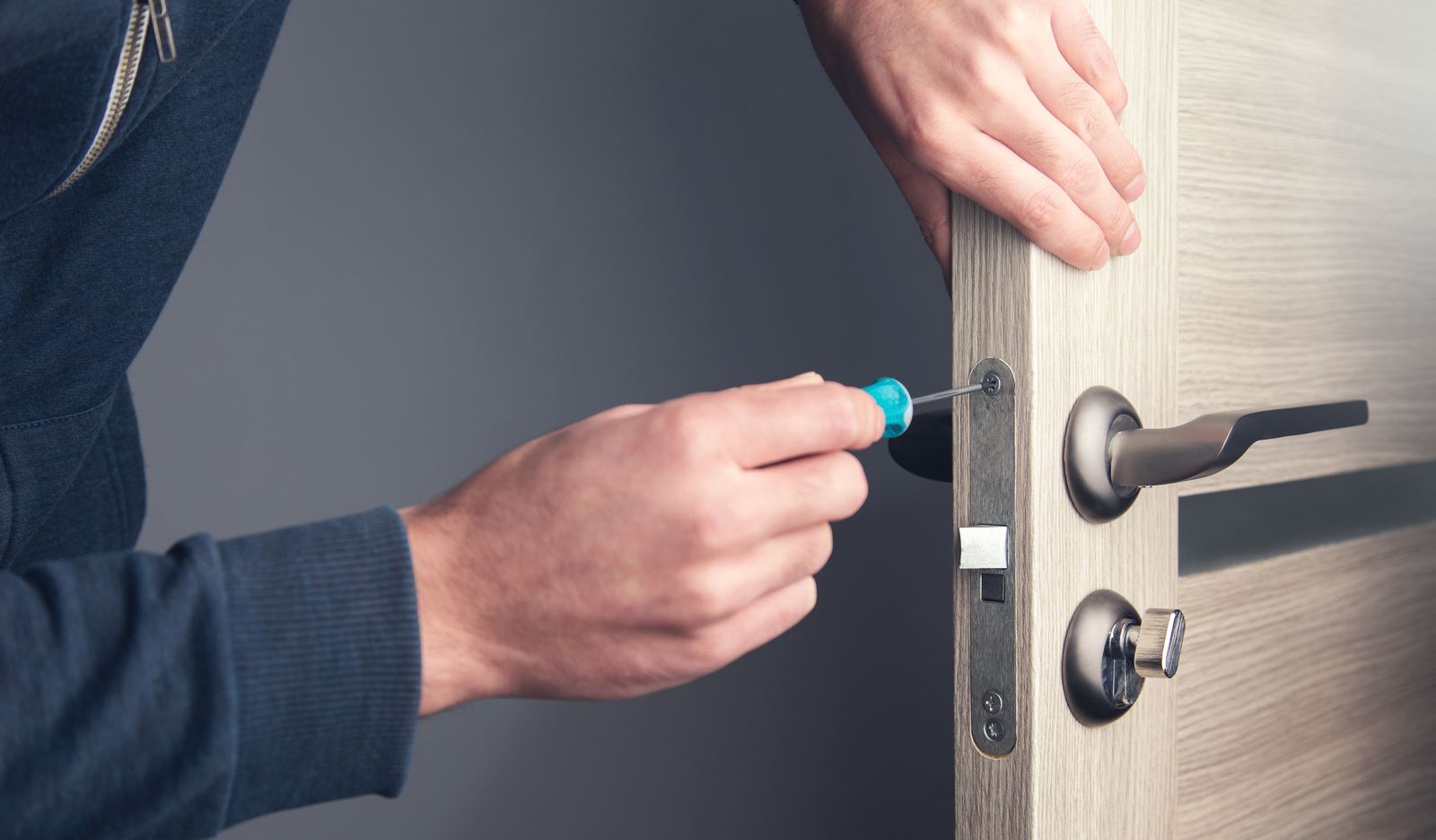
Yes, treat rekeying as part of moving in. You have no way to know how many copies of the current keys exist — previous owners, their relatives, contractors, cleaners, dog walkers, and agents may all hold one. Rekeying keeps your existing hardware and simply changes which key operates it, which is faster and less wasteful than replacing locks. New-construction homes need it too, because builders often use master-keyed cylinders during construction.
Try these free routes first
Reset every code before touching any hardware
Codes cost nothing to change and are the most commonly forgotten copies of your keys. Reset the garage door opener keypad and re-pair the remotes, wipe and re-enroll every code on any smart lock or keypad deadbolt, and change alarm system codes and the master code specifically. Delete unknown users from smart-lock apps — a previous owner's phone may still open your door remotely. This entire list takes an evening and closes the digital half of the problem before you spend anything on the mechanical half.
Inventory every keyed thing, not just the front door
Walk the property with a notepad. Doors are obvious; the commonly missed items are the mailbox, side gates, sheds, detached garage service doors, basement or storm doors, window locks with keys, interior doors with keyed knobs, and any padlocks left behind. In many buildings the mailbox lock is changed through the property manager or, for certain cluster boxes, through the postal service rather than a locksmith. A complete list means one visit handles everything instead of three.
Ask the seller or builder what they know
A direct question costs nothing and often changes your plan. Ask the seller how many keys exist and who has held them — cleaners, neighbors, family, contractors. Ask a builder whether the home was on a construction master-key system and whether the cylinders were reset at closing; some builders install cylinders designed to stop accepting the contractor key after the homeowner key is first used, and some do not. Their answers tell you how urgent the rekey is and which doors matter most.
Check whether your buyer's package already covers it
Some real estate agents, builders, and home warranty or homeowner-insurance packages include a rekeying service credit for new buyers — it is a common closing gift precisely because everyone in the industry knows stray keys are the norm. Read your closing documents and warranty brochure or send your agent a one-line question before booking anything. If a credit exists, you schedule the same work through their process and pay nothing out of pocket.
Why rekey after buying a resale home?
Because keys multiply and never report back. Over the years a typical house accumulates copies with relatives, neighbors, babysitters, dog walkers, cleaners, contractors, and property managers, plus the spare under the mat that everyone eventually mentions to someone. Sellers hand over the keys they have, not the keys that exist, and they genuinely do not know the difference. Rekeying resets that history to zero: a locksmith or a competent DIYer adjusts the pins inside each cylinder so the old keys no longer turn and a fresh key does. Your hardware, finish, and handles all stay; only the key changes. It is a quick job per cylinder and most homes can be done in a single visit, often with every door set to match one new key. Doing it during the first week — ideally before you move valuables in — is the standard advice from consumer protection offices and insurers alike.
Do brand-new construction homes need rekeying too?
Often, yes, and buyers are regularly surprised by this. During construction, builders commonly run the home on a construction master-key system so that dozens of subcontractors — framers, painters, inspectors, cleaning crews — can enter with a shared contractor key. Some cylinder designs automatically stop accepting the contractor key the first time the homeowner key is used; others require an explicit reset or a physical rekey at closing, and whether that happened depends on the builder's process. Ask your builder directly: was this home on a construction master system, and were the cylinders reset or rekeyed before closing? If the answer is vague, rekey. You should also reset the garage opener and any builder-installed keypad, since installation crews frequently program a default or shared code during the build. New construction feels like a blank slate, but the key history starts months before you get the keys.
Should I rekey or replace the locks?
Rekey when the hardware is in good shape and you simply want old keys dead — it is faster, less wasteful, and keeps the look of your doors. Replace when the hardware itself is the problem: locks that stick or wobble, visible corrosion, damage around the bolt or strike, builder-grade knobs you want to upgrade, or mismatched brands across doors that prevent keying everything alike. Replacement is also the moment to move up in durability — deadbolts carry ANSI/BHMA grades, with Grade 1 the most robust, Grade 2 solid for most homes, and Grade 3 the light-duty tier — or to switch a door to a smart lock. Many move-ins end up as a mix: rekey the healthy deadbolts to one new key, replace the one worn-out knob, and add a keypad on the door the family actually uses. A locksmith can do all of it in one visit and quote the total in writing before starting.
What is the full move-in reset checklist?
Mechanical: rekey or replace every exterior door cylinder, including the door between the garage and the house, side and back doors, and any detached structures. Ask to have all doors keyed alike so one key runs the house. Mailbox: apartment-style and cluster mailboxes are usually handled by the property manager or postal service; freestanding curbside boxes with locks can be rekeyed or swapped. Codes: garage keypad and remotes re-paired, smart-lock user lists wiped and rebuilt, alarm codes changed including the installer or master code, Wi-Fi router password changed if the previous owner set it up. Digital: remove unknown accounts from smart-lock, camera, doorbell, and thermostat apps, or factory-reset each device and claim it fresh under your own account. Paper: note where every new spare goes, so five years from now you are not the previous owner whose key count nobody knows. One weekend covers all of it.
Are DIY rekey kits like Kwikset SmartKey worth it?
For the right situation, honestly, yes. Kwikset's SmartKey cylinders rekey themselves with a small tool, a working current key, and the new key — no disassembly, done in under a minute per lock once you have the knack. If your home already has SmartKey hardware throughout, you can reset every door yourself for the cost of the tool and new keys. The honest limits: it only works on SmartKey-equipped locks, you must have a working current key for each cylinder, mixed-brand homes cannot be keyed alike this way, and a botched attempt can leave a cylinder needing professional attention. Traditional pin rekeying kits for other brands exist but demand disassembly, pinning charts, and patience, and most people's time is worth more than the savings. Rule of thumb: SmartKey house plus working keys, do it yourself; anything else, or any desire to key mixed hardware alike, have a pro do the whole set in one visit.
How do I hire someone for a move-in rekey without getting burned?
A move-in rekey is a scheduled, non-emergency job, which puts you in the strongest possible position: you can compare providers calmly instead of taking whoever answers fastest. Look for a business with a verifiable local street address that maps to a real shop, a business name that matches its registration, and — in the dozen or so states that license locksmiths — a license number you can check in the state registry. Ask for the full price in writing before anyone touches a door: per-cylinder rekey cost, service call fee, and key copies, all itemized. Be specific about scope on the phone — number of doors, brands if you know them, keyed-alike request, any mailbox or gate — so the quote survives contact with reality. A legitimate pro arrives in a marked vehicle, shows ID, and matches the quoted total. Someone who cannot quote a routine rekey until arrival is telling you something.
When calling a locksmith is the right move
Call a locksmith once your inventory is done and the free resets are handled: you know how many cylinders need work, which brands they are, and whether you want everything keyed alike. Call sooner if any exterior lock sticks, spins, or shows damage — worn hardware fails at the worst times and a rekey visit is the moment to fix it. If your home has SmartKey hardware and you hold working keys, you may not need a pro at all. Either way, get the itemized total in writing before work starts; a scheduled rekey is a routine job any legitimate shop can price over the phone.
📞 Call (866) 370-8695
Quick answers
How soon after closing should I rekey?
Within the first week, and ideally before you move valuables in. There is no waiting period or permission needed once you own the home. Renters are different: lock changes usually require landlord involvement, so ask the property manager to rekey between tenants rather than doing it yourself. Change codes on garage keypads and smart locks the very first day.
Does rekeying change how the lock looks or works?
No. Rekeying alters the pins inside the cylinder so a different key operates it; the handle, deadbolt, finish, and feel stay identical. Nobody can tell from outside that a lock was rekeyed. That is exactly why it is the default move-in choice — you get fresh key control without buying or installing anything new.
Can all my doors be keyed to one key?
Usually, if the cylinders are the same brand or compatible keyway. A locksmith can rekey mixed doors of one brand to a single new key in one visit. Mixed brands sometimes cannot share a key without swapping a cylinder or two, which the pro can quote as part of the job. Ask for keyed-alike when booking; it is a routine request.
Who changes a mailbox lock — a locksmith or the post office?
It depends on the box. For apartment panels and neighborhood cluster boxes, the property manager or the postal service typically controls the lock, and you request the change through them. A freestanding locking mailbox on your own post is yours to rekey or replace, and a locksmith or a replacement cam lock from a hardware store handles it.
The builder says the locks reset automatically with my new key. Is that enough?
It can be — some construction cylinders permanently reject the contractor key after the homeowner key is first used. But verify rather than assume: ask the builder which system was installed and whether every exterior door had it, then confirm an old contractor-style key no longer works if one is available. Also reset the garage keypad and any default codes the crews used.
Related guides and services